
Subclinical Hypothyroidism: What It Means and Should You Treat It?
Learn about subclinical hypothyroidism symptoms, causes and treatment, and when monitoring or medication may help.
By Nutritionist Vanshika Chhajer (MSc Clinical Nutrition)
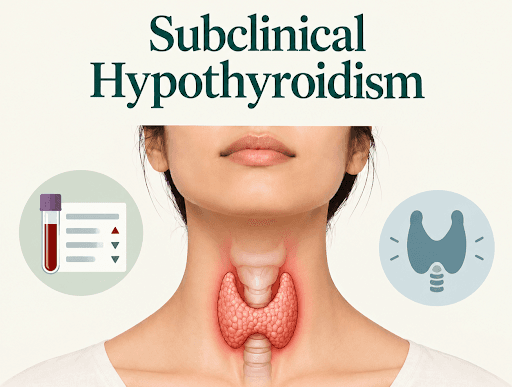
Have your thyroid blood tests shown a slightly high TSH level, even though your T3 and T4 levels are normal? You may have been told that you have subclinical hypothyroidism.
Understanding what is happening can help you make informed decisions about your health without unnecessary worry. Unlike overt hypothyroidism, subclinical hypothyroidism involves a raised thyroid-stimulating hormone (TSH) level while free T4 remains within the normal range.
Many people have no noticeable subclinical hypothyroidism symptoms, while others may experience tiredness, hair fall or changes in weight. However, these symptoms can have several causes and do not automatically mean that treatment is needed.
Let’s understand what subclinical hypothyroidism means, how it is diagnosed and when treatment may be recommended.
What Is Subclinical Hypothyroidism?
Subclinical hypothyroidism is a form of thyroid dysfunction in which TSH is above the laboratory reference range, but free T4 remains normal.
TSH is produced by the pituitary gland and signals the thyroid to produce hormones. When the thyroid needs more stimulation to maintain normal hormone levels, TSH may rise.
In simple terms, the body is working harder to maintain normal thyroid hormone levels, but the available T4 level has not dropped below the normal range.
Subclinical hypothyroidism does not always progress to overt hypothyroidism. In some people, TSH levels return to normal, while others may develop more noticeable thyroid dysfunction over time.
Subclinical Hypothyroidism Symptoms: What Should You Look For?
Many people with subclinical hypothyroidism have no symptoms. When symptoms occur, they can resemble those of an underactive thyroid.
Commonly reported subclinical hypothyroidism symptoms include:
- Persistent tiredness or low energy.
- Hair fall or dry hair.
- Dry skin.
- Feeling colder than usual.
- Constipation.
- Difficulty concentrating or brain fog.
- Unexplained weight changes.
- Menstrual irregularities in some women.
These symptoms are not specific to thyroid conditions. Low iron levels, inadequate sleep, stress, nutritional deficiencies and other health concerns can cause similar changes.
Therefore, symptoms alone cannot confirm subclinical hypothyroidism. Blood test results and a healthcare professional’s assessment are essential.
Not sure what your thyroid report means? Book a free assessment with our experts.
What Causes Subclinical Hypothyroidism?
Several factors can contribute to elevated TSH levels while thyroid hormone levels remain normal.
1. Hashimoto’s Thyroiditis
Hashimoto’s thyroiditis is an autoimmune condition in which the immune system affects the thyroid gland. It can cause subclinical hypothyroidism and may progress to overt hypothyroidism in some people.
2. Age-Related Changes
TSH levels can vary with age, and reference ranges may differ between populations and laboratories. A mildly elevated result should be interpreted in the context of a person’s age and overall health.
3. Thyroid Surgery or Previous Treatment
People who have undergone thyroid surgery or radioactive iodine treatment may develop changes in thyroid function.
4. Temporary Changes or Medication Effects
TSH can sometimes rise temporarily during recovery from illness or due to certain medications. A single abnormal result may not represent a persistent thyroid problem.
Your doctor may recommend repeating thyroid function tests before confirming the diagnosis.
How Is Subclinical Hypothyroidism Diagnosed?
Diagnosis generally involves blood tests and a review of your symptoms and medical history.
1. TSH Test
TSH is usually elevated in subclinical hypothyroidism. The result is compared with the laboratory’s reference range.
2. Free T4 Test
Free T4 remains within the normal range in subclinical hypothyroidism. If free T4 is low alongside an elevated TSH, this may indicate overt primary hypothyroidism instead.
3. Thyroid Antibody Test
Your doctor may recommend testing for thyroid peroxidase antibodies (TPO antibodies) to assess whether an autoimmune condition such as Hashimoto’s thyroiditis may be contributing.
4. Repeat Testing
A mildly raised TSH can sometimes return to normal without treatment. Depending on your circumstances, your doctor may repeat TSH and free T4 after a period of time to check whether the change persists.
Do not interpret a single thyroid report in isolation. Pregnancy, existing medical conditions, medications and symptoms can influence how results should be assessed.
Medical reference: NIDDK – Thyroid Tests.
Subclinical Hypothyroidism Treatment: Should You Treat It?
Subclinical hypothyroidism treatment depends on your TSH level, symptoms, age, thyroid antibody results, medical history and pregnancy plans.
Not everyone needs medication immediately. In many cases, monitoring is appropriate.
When May Medication Be Recommended?
Doctors may consider levothyroxine, a thyroid hormone replacement medicine, in situations such as:
- TSH levels that remain at or above 10 mIU/L on repeat testing.
- Persistent symptoms consistent with hypothyroidism.
- Positive thyroid antibodies or other evidence of underlying thyroid disease.
- Specific clinical circumstances, including pregnancy planning, where individual assessment is particularly important.
For adults, the NICE guideline recommends considering levothyroxine when TSH is at or above 10 mIU/L on two separate occasions three months apart.
For adults under 65 with persistent symptoms and TSH above the reference range but below 10 mIU/L on two occasions three months apart, a six-month trial of levothyroxine may be considered. If symptoms do not improve despite normalisation of TSH, the clinician may reassess whether treatment should continue.
These are guideline-based considerations, not rules for self-diagnosis or self-medication. Treatment decisions should be individualised.
When May Monitoring Be Enough?
If TSH is only mildly elevated, free T4 is normal and there are no significant symptoms or additional risk factors, a doctor may recommend regular monitoring instead of immediate treatment.
TSH and free T4 can be checked periodically to see whether levels normalise, remain stable or change over time. The frequency of testing depends on your results, symptoms and risk factors.
Do not start thyroid medication or supplements on your own. Taking unnecessary thyroid hormone can lead to overtreatment and complications.
Medical reference: NICE – Thyroid Disease: Assessment and Management.
Subclinical Hypothyroidism and Pregnancy: What Should You Know?
Thyroid function is particularly important before and during pregnancy because thyroid hormone requirements change during this period.
If you are pregnant, planning to conceive or undergoing fertility treatment, discuss your thyroid test results with your doctor promptly.
Pregnancy-specific reference ranges and individual factors, including TSH levels and thyroid antibody status, influence treatment decisions. Levothyroxine may be recommended in some circumstances, but not every mildly elevated TSH result requires the same approach.
The 2026 American Thyroid Association guidelines provide updated recommendations for thyroid disorders before conception, during pregnancy and postpartum. They emphasise individualised assessment based on the degree of TSH elevation, timing of diagnosis and clinical circumstances.
Do not start or stop thyroid medication based on a general online threshold. Your doctor should interpret your results using appropriate pregnancy-specific guidance.
Medical references: American Thyroid Association – 2026 Guidelines for Thyroid Disease in Preconception, Pregnancy, and Postpartum; American Thyroid Association – Management of Hypothyroidism During Pregnancy.
Can Diet and Lifestyle Help Manage Subclinical Hypothyroidism?
Nutrition and lifestyle habits support overall health, but they cannot replace medical monitoring or prescribed treatment when it is needed.
1. Eat Balanced Meals
Include a variety of foods that provide protein, fibre, vitamins and minerals. Options include dal, beans, eggs, dairy products, fish, chicken, vegetables, fruits, whole grains, nuts and seeds, according to your preferences.
2. Avoid Excessive Iodine Intake
Iodine is necessary for thyroid hormone production, but excessive iodine from high-dose supplements or kelp products may worsen thyroid dysfunction in susceptible people.
Use iodised salt in appropriate amounts and avoid unnecessary iodine supplements.
3. Check Nutritional Deficiencies When Appropriate
Low iron or vitamin B12 levels may contribute to fatigue and hair fall. Discuss testing with your healthcare professional if symptoms persist rather than taking supplements without knowing whether you need them.
4. Prioritise Sleep and Movement
Maintain a consistent sleep schedule and include regular physical activity suited to your fitness level. These habits can support energy, mood and overall metabolic health.
5. Follow Up on Your Thyroid Reports
Attend recommended appointments and repeat tests as advised. If you are taking levothyroxine, follow your prescribed dose and medication timing.
When Should You See a Doctor?
Speak with a healthcare professional if your TSH is repeatedly elevated, you experience persistent fatigue or hair fall, notice menstrual changes, or have a personal or family history of thyroid disease.
Seek medical advice promptly if you are pregnant or planning pregnancy, as thyroid test interpretation and treatment decisions may differ during this period.
Frequently Asked Questions
1. What Does Subclinical Hypothyroidism Mean?
It means TSH is above the normal reference range while free T4 remains normal. It may indicate early thyroid dysfunction, but it does not always progress to overt hypothyroidism.
2. Can Subclinical Hypothyroidism Cause Weight Gain?
Some people report weight changes, but weight gain is not specific to this condition. Diet, sleep, activity, medications and other health factors may also contribute.
3. Does Subclinical Hypothyroidism Always Require Medication?
No. Some people need monitoring rather than immediate treatment. The decision depends on repeat test results, symptoms, TSH levels and individual risk factors.
4. Can Subclinical Hypothyroidism Become Hypothyroidism?
Yes, it can progress to overt hypothyroidism, particularly when underlying autoimmune thyroid disease is present. However, some people remain stable or return to normal thyroid function.
5. Can Diet Cure Subclinical Hypothyroidism?
No specific diet has been proven to cure it. Balanced nutrition can support general health, but medical monitoring and treatment decisions should be based on clinical assessment.
Conclusion
Understanding subclinical hypothyroidism symptoms and blood test results can help you make informed decisions without unnecessary anxiety. A raised TSH with normal free T4 does not automatically mean that you need medication.
The right approach may involve repeat testing, regular monitoring or levothyroxine treatment, depending on your individual circumstances. Work with your healthcare professional to understand your results and decide on the next steps.
Book a free consultation at Sia Health to discuss your nutrition and lifestyle concerns and explore personalised support alongside appropriate medical care.
Medical References
- National Institute of Diabetes and Digestive and Kidney Diseases (NIDDK). Thyroid Tests.
- National Institute for Health and Care Excellence (NICE). Thyroid Disease: Assessment and Management, including recommendations for subclinical hypothyroidism treatment and monitoring.
- American Thyroid Association (ATA). 2026 Guidelines for Thyroid Disease in Preconception, Pregnancy, and Postpartum.
- American Thyroid Association (ATA). Management of Hypothyroidism During Pregnancy.
Disclaimer - This information is provided for educational purposes and should not be construed as medical advice. Please consult with your healthcare practitioners before undertaking any changes in your diet or adding supplements.
Sia Health is a digital clinic for women, offering accessible, personalized, and compassionate health-care solutions - https://www.siahealth.in