
Thyroid in Women: Hypothyroidism, Hyperthyroidism, Symptoms, and What to Do
Learn about hypothyroidism symptoms in females, how thyroid problems are tested and treated, the role of diet, and when to seek medical advice.
By Nutritionist Vanshika Chhajer (MSc Clinical Nutrition)
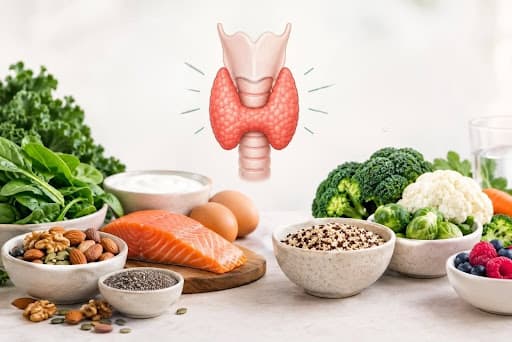
Do you often feel tired despite getting enough sleep? Have you noticed unexplained weight changes, hair fall, irregular periods or changes in your mood? These symptoms can have several causes, including thyroid disorders.
Understanding hypothyroidism symptoms in females can help you recognise when to seek medical advice. The thyroid gland plays an important role in regulating energy use, metabolism, body temperature and reproductive health. When it produces too little or too much thyroid hormone, several body functions can be affected.
Thyroid conditions are particularly relevant for women because symptoms may overlap with menstrual changes, pregnancy-related changes and perimenopause. However, experiencing one or more symptoms does not automatically mean you have a thyroid disorder.
In this blog, we explain what hypothyroidism is, how it differs from hyperthyroidism, how thyroid problems are diagnosed, what treatment involves and how nutrition and lifestyle habits can support your health.
What Is Hypothyroidism and How Does the Thyroid Work?
The thyroid is a small, butterfly-shaped gland located at the front of your neck. It produces hormones called thyroxine (T4) and triiodothyronine (T3), which help regulate how your body uses energy.
These hormones influence several functions, including heart rate, body temperature, digestion, muscle function and brain activity.
Hypothyroidism occurs when the thyroid gland does not produce enough thyroid hormone to meet the body's needs. This is also called an underactive thyroid. Many body processes may slow down as a result.
Hyperthyroidism is the opposite condition. The thyroid produces more hormone than the body needs, causing certain body processes to speed up.
What Causes Thyroid Problems in Women?
Several factors can affect thyroid function:
- Hashimoto's thyroiditis: An autoimmune condition in which the immune system attacks the thyroid gland. It is a common cause of hypothyroidism.
- Graves' disease: An autoimmune condition that commonly causes hyperthyroidism.
- Thyroiditis: Inflammation of the thyroid can temporarily affect hormone levels and may sometimes lead to an underactive thyroid.
- Iodine imbalance: The thyroid needs iodine to produce hormones. Both insufficient and excessive iodine intake can affect thyroid function.
- Thyroid surgery or radioactive iodine treatment: These treatments can reduce the amount of functioning thyroid tissue.
- Certain medicines: Some medicines can interfere with thyroid hormone production or regulation.
- Pregnancy and the postpartum period: Hormonal and immune changes around pregnancy can affect thyroid function in some women.
The underlying cause matters because different thyroid conditions may need different treatments and follow-up.
Medical reference: National Institute of Diabetes and Digestive and Kidney Diseases (NIDDK) – Hypothyroidism.
Hypothyroidism Symptoms in Females: Signs to Recognise
The symptoms of an underactive thyroid often develop gradually. Some women experience several symptoms, while others have only a few or no obvious symptoms.
1. Persistent Tiredness and Low Energy
Feeling unusually tired, sluggish or less energetic than usual is one of the commonly reported symptoms of hypothyroidism. You may find everyday activities more tiring or struggle to concentrate.
2. Unexplained Weight Gain
Some women with hypothyroidism experience weight gain or find weight management more difficult. Reduced energy expenditure and fluid retention can contribute.
However, weight gain alone does not confirm a thyroid problem.
3. Hair Fall and Dry Skin
An underactive thyroid can contribute to dry skin, brittle hair and increased hair shedding. Some women may also notice changes in hair texture.
Hair fall can also be associated with nutritional deficiencies, stress and other health conditions.
4. Irregular or Heavy Periods
Thyroid hormones interact with the systems that regulate reproductive hormones. Hypothyroidism may contribute to heavy, prolonged or irregular menstrual bleeding. It may also affect ovulation and fertility.
Women experiencing persistent menstrual changes should consult a healthcare professional rather than assuming that thyroid dysfunction is the only possible cause.
5. Constipation and Digestive Changes
Some women with hypothyroidism experience constipation or slower bowel movements. Low fibre intake, insufficient fluids, reduced physical activity and certain medicines can also contribute.
6. Feeling Cold More Often
You may feel colder than people around you or find it difficult to stay warm. Hypothyroidism can affect the body's ability to regulate temperature.
7. Mood and Concentration Changes
Low mood, difficulty concentrating, forgetfulness and mental sluggishness can occur in hypothyroidism.
8. Muscle Aches, Weakness and Puffiness
Muscle aches, cramps, weakness and puffiness around the face may occur in some people with an underactive thyroid. A slower-than-usual heart rate can also be a feature.
These symptoms are not specific to thyroid disorders. Blood tests and a clinical assessment are needed to determine whether thyroid dysfunction is responsible.
Medical references: American Thyroid Association (ATA) – Hypothyroidism and NHS – Underactive Thyroid.
Not sure whether your symptoms could be related to your thyroid? Book a free assessment with our experts at Sia Health to discuss your health goals and next steps.
Hypothyroidism vs Hyperthyroidism: How Are They Different?
Understanding hypothyroidism vs hyperthyroidism can help you recognise the different ways thyroid conditions may affect your body.
Thyroid activity
- Hypothyroidism
- Underactive
- Hyperthyroidism
- Overactive
Energy
- Hypothyroidism
- Fatigue or sluggishness
- Hyperthyroidism
- Restlessness, sometimes fatigue
Weight
- Hypothyroidism
- Weight gain may occur
- Hyperthyroidism
- Weight loss may occur despite a normal or increased appetite
Temperature
- Hypothyroidism
- Increased sensitivity to cold
- Hyperthyroidism
- Increased sensitivity to heat
Heart rate
- Hypothyroidism
- May be slower
- Hyperthyroidism
- May be rapid or irregular
Bowel movements
- Hypothyroidism
- Constipation may occur
- Hyperthyroidism
- More frequent bowel movements may occur
Skin
- Hypothyroidism
- Dry skin may occur
- Hyperthyroidism
- Warm, moist skin may occur
Hair
- Hypothyroidism
- Dryness or hair shedding
- Hyperthyroidism
- Hair thinning may occur
Periods
- Hypothyroidism
- Heavy or irregular periods may occur
- Hyperthyroidism
- Lighter or irregular periods may occur
These are general patterns, not diagnostic rules. Both conditions can cause fatigue, menstrual changes and hair concerns, and symptoms vary from person to person.
Medical reference: NHS – Overactive Thyroid (Hyperthyroidism).
Can Thyroid Problems Affect Fertility?
Yes. Both underactive and overactive thyroid function can affect menstrual regularity and ovulation. Untreated thyroid disorders may also affect pregnancy outcomes.
If you are planning a pregnancy, having difficulty conceiving or experiencing significant menstrual changes, discuss whether thyroid testing is appropriate.
Women who are pregnant or planning pregnancy should seek timely medical advice because thyroid hormone requirements and test interpretation can differ during pregnancy.
How Are Thyroid Problems Diagnosed?
Symptoms alone cannot confirm an underactive or overactive thyroid. A healthcare professional will consider your symptoms, medical history, examination findings and blood test results.
1. TSH Blood Test
TSH stands for thyroid-stimulating hormone. It is produced by the pituitary gland and signals the thyroid to produce thyroid hormones.
TSH is usually the first blood test used to assess thyroid function.
In primary hypothyroidism, TSH is generally elevated because the body is signalling the thyroid to produce more hormone. In primary hyperthyroidism, TSH is usually low because thyroid hormone levels are high.
However, interpretation depends on the clinical situation, the laboratory's reference range and factors such as pregnancy, certain medicines and pituitary conditions.
2. Free T4 and Sometimes T3
Free T4 measures the unbound portion of thyroxine circulating in the blood.
Doctors may use TSH and free T4 together to determine whether hypothyroidism is present and how significant the hormone changes are. T3 testing is particularly useful in selected cases of suspected hyperthyroidism.
Additional investigations may be recommended depending on your results and the suspected cause.
3. Thyroid Antibody Tests
When an autoimmune condition such as Hashimoto's thyroiditis is suspected, a clinician may recommend thyroid peroxidase antibodies (TPO antibodies).
Other antibody tests may be useful when Graves' disease is suspected.
4. Is a Thyroid Ultrasound Always Necessary?
No. An ultrasound is not routinely required for every abnormal thyroid blood test. It may be recommended if you have a neck lump, an enlarged thyroid, a thyroid nodule or another structural concern.
Medical reference: NIDDK – Thyroid Tests.
What Is Subclinical Hypothyroidism?
Subclinical hypothyroidism generally means that TSH is above the relevant reference range while free T4 remains within its reference range.
Some people have no noticeable symptoms. Others may report tiredness, constipation, dry skin or difficulty concentrating, but these symptoms can also occur for unrelated reasons.
A raised TSH result does not always mean that treatment must begin immediately. Thyroid levels can change temporarily after illness and due to other factors, so a clinician may recommend repeating the blood tests.
Does Subclinical Hypothyroidism Need Treatment?
Treatment decisions depend on several factors, including:
- How high the TSH level is and whether the result remains abnormal.
- Whether symptoms are present and whether another cause is likely.
- Thyroid antibody results and the suspected cause.
- Age, other health conditions and individual circumstances.
- Pregnancy status or plans to conceive.
Some people may benefit from levothyroxine, while others may be monitored with repeat blood tests.
Pregnancy and plans to conceive require particular attention because the approach to testing and treatment may differ.
Thyroid Treatment: What Happens After Diagnosis?
Treatment depends on whether the thyroid is underactive or overactive, the underlying cause and the severity of the condition.
Treatment for Hypothyroidism
The usual treatment for established hypothyroidism is levothyroxine, a medicine that replaces the T4 hormone the thyroid is not producing in sufficient amounts.
The dose is individualised. Your clinician will consider factors such as your test results, age, body weight, pregnancy status and heart health.
TSH is usually checked several weeks after starting treatment or changing the dose. The timing of follow-up tests depends on your clinical circumstances. Once levels are stable, regular monitoring remains important.
Do not start, stop or change thyroid medication without medical guidance.
How Should Levothyroxine Be Taken?
Levothyroxine is commonly taken with water on an empty stomach, consistently at the same time each day, often 30–60 minutes before breakfast. Follow the specific instructions given by your prescriber.
Calcium and iron supplements can interfere with its absorption and are generally separated from levothyroxine by about four hours. Some other medicines, supplements and foods may also affect absorption, so discuss your routine with your doctor or pharmacist.
Tell your clinician if you take biotin supplements because biotin can interfere with certain thyroid blood tests. You may be advised to pause it before testing.
Treatment for Hyperthyroidism
Depending on the cause, treatment may include antithyroid medicines, radioactive iodine therapy or surgery. Medicines such as beta-blockers may help control symptoms such as a rapid heartbeat and tremors while the underlying condition is treated.
These treatments are not interchangeable. A clinician will recommend an appropriate option based on the cause, severity and individual circumstances.
Medical references: American Thyroid Association – Thyroid Hormone Treatment and NHS – Treatment for Overactive Thyroid.
Foods to Avoid with Hypothyroidism: What Should Women Know?
Food can support overall health, but no single diet can replace thyroid medication when medication is needed. There is also no universal list of foods that every person with hypothyroidism must avoid.
The goal is to maintain a balanced diet, obtain adequate nutrients and avoid supplements or dietary restrictions that may interfere with treatment.
1. Avoid Excessive Iodine Supplements Unless Prescribed
Iodine is essential for thyroid hormone production, but taking large amounts through supplements, kelp products or seaweed-based remedies can disrupt thyroid function in susceptible people.
Use iodised salt in appropriate amounts as part of a balanced diet. Avoid adding high-dose iodine supplements unless a healthcare professional recommends them.
2. Do Not Automatically Eliminate Cabbage, Cauliflower or Broccoli
Cabbage, cauliflower, broccoli and other cruciferous vegetables are nutritious foods. Most people with hypothyroidism do not need to avoid ordinary portions as part of a varied diet.
Very large quantities, particularly raw, may be a concern in certain circumstances involving low iodine intake. For most people, normal dietary portions are not a reason to eliminate these vegetables.
3. Soy Foods Do Not Need to Be Banned
Tofu, soybeans and other soy foods can provide protein. Soy may interfere with levothyroxine absorption when consumed too close to the medicine, so consistent timing matters.
You generally do not need to eliminate soy completely. Discuss how to time meals and medication with your healthcare professional.
4. Pay Attention to Calcium and Iron Supplements
Iron and calcium are important nutrients, but supplements can reduce levothyroxine absorption if taken too close to the dose.
Do not stop prescribed supplements on your own. Ask your doctor or pharmacist how to space them appropriately.
5. Avoid Unproven Thyroid Detoxes and High-Dose Supplements
Products marketed as thyroid cleanses, metabolism boosters or hormone-balancing remedies may contain excessive iodine or other ingredients that are unsuitable for some people.
Selenium, zinc, vitamin D and iron are important in specific circumstances, but taking extra amounts without a demonstrated need is not a reliable way to treat hypothyroidism. Excess intake can cause harm.
What Should an Indian Diet for Thyroid Health Include?
A balanced, sustainable eating pattern can support general health and help meet your nutritional needs.
- Protein: Dal, beans, chickpeas, eggs, dairy, fish, chicken, tofu or other suitable protein sources.
- Vegetables: A variety of seasonal vegetables, including leafy greens and cruciferous vegetables.
- Fruit: Whole fruits such as guava, oranges, apples, papaya or other options you enjoy.
- Whole grains: Oats, whole-wheat roti, millets and other grains suited to your needs.
- Healthy fats: Nuts, seeds and appropriate amounts of cooking oils.
- Adequate fluids and fibre: These support general health and may help with constipation.
There is no single ideal thyroid diet for everyone. Your nutritional needs may differ if you are pregnant, have another medical condition or have a diagnosed nutrient deficiency.
Medical references: NIDDK – Hypothyroidism and Nutrition and NIH – Thyroid Disease.
Can Lifestyle Changes Support Thyroid Health?
Lifestyle habits can support energy, digestion, sleep and general wellbeing. However, they cannot reliably correct an underactive or overactive thyroid on their own.
Prioritise Sleep and Recovery
Aim for a consistent sleep schedule and adequate rest. If fatigue persists despite sufficient sleep, discuss possible medical and nutritional causes with your clinician instead of assuming that lifestyle changes alone will resolve it.
Choose Physical Activity You Can Maintain
Walking, strength training and other activities suited to your fitness level can support cardiovascular health, muscle strength and weight management.
Start gradually if you have been inactive. If you have uncontrolled hyperthyroidism, a very rapid heartbeat or significant weakness, seek medical advice before undertaking strenuous exercise.
Manage Stress Without Blaming Yourself
Relaxation exercises, yoga, breathing practices and time outdoors may help you manage stress. These habits can complement medical treatment, but stress is not the sole cause of thyroid disorders, and a thyroid condition is not a personal failure.
Follow Up Consistently
Take prescribed medicines as directed, attend follow-up appointments and repeat blood tests when advised. Keep a record of symptoms, menstrual changes, medication timing and supplements you use.
If symptoms continue even when thyroid tests are within the target range, ask your clinician whether another cause should be investigated.
When Should You See a Doctor?
Consider medical advice if you experience:
- Persistent fatigue or unexplained weight changes.
- Ongoing hair fall, constipation or unusual sensitivity to heat or cold.
- New or persistent menstrual irregularities.
- A swelling or lump at the front of your neck.
- A rapid or irregular heartbeat, tremors or unexplained weight loss.
- Difficulty conceiving or concerns about thyroid health during pregnancy.
Seek urgent medical attention for chest pain, fainting, severe breathlessness or a very rapid or irregular heartbeat accompanied by significant symptoms.
Rarely, severe untreated hypothyroidism can lead to a life-threatening emergency. Severe confusion, unusual drowsiness, very low body temperature or difficulty staying awake require emergency assessment.
If you are pregnant, planning pregnancy or have recently given birth and notice possible thyroid symptoms, discuss them promptly with your healthcare professional.
Frequently Asked Questions
1. What Are the Most Common Hypothyroidism Symptoms in Females?
Common symptoms include tiredness, cold sensitivity, constipation, dry skin, hair shedding, weight gain and menstrual changes. Symptoms vary, and blood tests are needed to assess thyroid function.
2. What Is Hypothyroidism, and Is It Dangerous?
Hypothyroidism is a condition in which the thyroid does not produce enough thyroid hormones. Untreated, significant hypothyroidism can cause complications, but many people manage it effectively with appropriate treatment and monitoring.
3. What Is the Difference Between Hypothyroidism and Hyperthyroidism?
Hypothyroidism means thyroid hormone production is too low, while hyperthyroidism means it is too high. Both can affect energy, menstrual health and other body functions, but their symptoms and treatments differ.
4. What Does Subclinical Hypothyroidism Mean?
It generally means TSH is elevated while free T4 remains within the reference range. Some people have no symptoms, and treatment depends on repeat test results and individual clinical factors.
5. Which Foods Should I Avoid with Hypothyroidism?
Most people do not need to eliminate specific food groups. Avoid excessive iodine supplements unless prescribed, and pay attention to the timing of soy, calcium and iron supplements if you take levothyroxine.
6. Can Hypothyroidism Cause Irregular Periods or Infertility?
It can contribute to menstrual irregularities and fertility difficulties. However, other conditions can cause similar symptoms, so a medical assessment is important.
7. Can I Manage Hypothyroidism with Diet and Exercise Alone?
Diet and exercise support general health, but they do not replace thyroid hormone medication when it is medically indicated. Follow your prescribed treatment and monitoring plan.
Conclusion: Understand Your Thyroid and Take the Next Step
Recognising hypothyroidism symptoms in females is a useful first step, but symptoms alone cannot tell you whether your thyroid is underactive, overactive or functioning normally.
If you have persistent fatigue, unexplained weight changes, hair fall or menstrual concerns, discuss your symptoms and whether thyroid testing is appropriate with a qualified healthcare professional.
With the right diagnosis, individualised treatment, balanced nutrition and regular follow-up, thyroid conditions can often be managed effectively.
Medical References
- National Institute of Diabetes and Digestive and Kidney Diseases (NIDDK). Hypothyroidism: symptoms, causes, treatment and nutrition.
- American Thyroid Association (ATA). Hypothyroidism: symptoms, diagnosis, treatment and follow-up.
- National Institute of Diabetes and Digestive and Kidney Diseases (NIDDK). Thyroid Tests: blood tests and thyroid antibody testing.
- NHS. Underactive Thyroid (Hypothyroidism): symptoms, diagnosis and treatment.
- NHS. Overactive Thyroid (Hyperthyroidism): symptoms and treatment.
- American Thyroid Association (ATA). Thyroid Hormone Treatment: guidance on levothyroxine and medication use.
- National Institutes of Health (NIH). Thyroid Disease: patient information on thyroid health and iodine.
Disclaimer - This information is provided for educational purposes and should not be construed as medical advice. Please consult with your healthcare practitioners before undertaking any changes in your diet or adding supplements.
Sia Health is a digital clinic for women, offering accessible, personalized, and compassionate health-care solutions - https://www.siahealth.in