
Hormonal Imbalance Treatment: Home Remedies, Ayurveda, and Medical Options
Explore hormonal imbalance treatment at home, in Ayurveda and through medical care, and learn when to seek support.
By Nutritionist Aayushi Gala
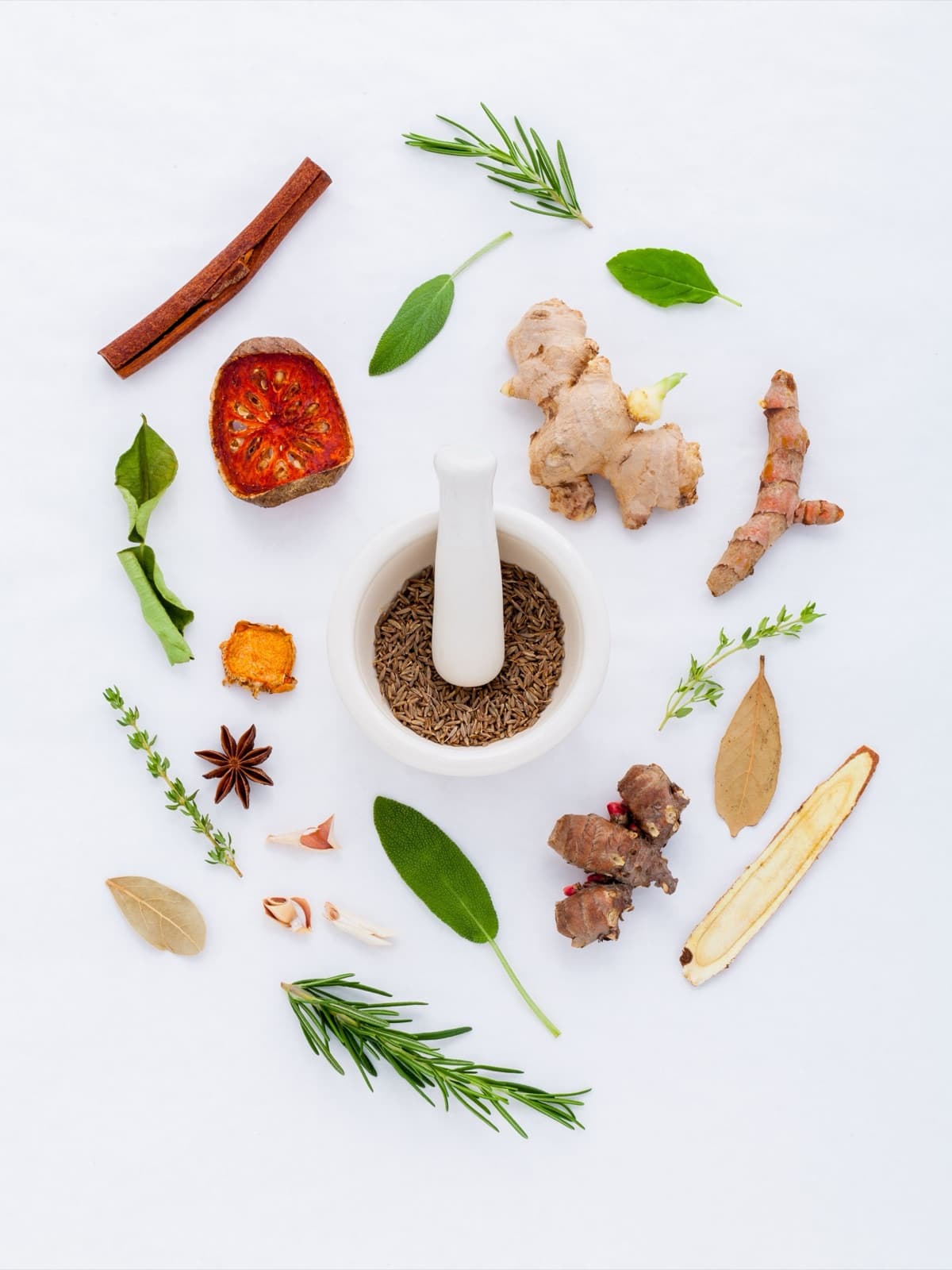
Missed periods, adult acne, hair fall or tiredness you cannot explain can send you searching online. One website says to cut out whole food groups. Another suggests a quick fix. A third recommends prescription pills. If you feel confused, you are not alone.
Choosing a hormonal imbalance treatment does not need extreme cleanses or strict rules. Many women find a mix of everyday habits, traditional care and medical support helpful.
At Sia Health, we want to help you make sense of the options. Here is a simple guide to home habits, Ayurveda and medical treatments, and when to see a doctor.
What Is the Best Hormonal Imbalance Treatment?
No single treatment suits every woman. The best hormonal imbalance treatment is the one that helps address what may be causing your symptoms, and that depends on your body, your age and your test results.
Why Treatment Depends on the Cause
Irregular periods, acne or tiredness can have different causes. PCOS or PCOD, thyroid problems, stress and perimenopause can all play a part. A doctor can help find the cause with the right tests. See our guide to the hormonal imbalance test for females to know what to expect.
Why a Mix of Approaches Often Helps
Many women find a combination of food, sleep, movement and medical care helpful. No single pill or superfood can do it all.
What Causes Hormonal Imbalance and When Is Treatment Needed?
Hormones can shift for more than one reason at the same time.
PCOS or PCOD
Common in your 20s and 30s. It may show up as irregular periods, acne, hair fall, extra facial hair and weight gain.
Thyroid Problems
More common in your 30s and 40s. An underactive thyroid can be linked to tiredness, weight gain, hair fall and irregular periods.
Stress and Poor Sleep
Ongoing stress and poor sleep may affect your cycle and energy at any age.
Perimenopause
In your 40s, hormone changes may bring irregular periods, hot flushes and sleep problems.
Want to know more about the signs? Read about hormonal imbalance symptoms in females.
Not sure which treatment is right for you? Book a free assessment with our experts.
Hormonal Imbalance Treatment at Home: Everyday Habits
Home habits can support your health, but they do not replace medical care. If you have PCOS or a thyroid condition, use them alongside your doctor’s advice.
Eat Balanced Indian Meals
In PCOS, high insulin may be linked to higher androgens (male-type hormones) (International PCOS Guideline). Steady meals can help with blood sugar.
- Start meals with a salad of cucumber, carrot or seasonal greens
- Pair roti or rice with protein such as dal, chana, paneer, eggs or fish
- If tea or coffee on an empty stomach makes you jittery or acidic, try it after a few bites of food
Include Healthy Fats
Healthy fats are part of a balanced diet. Try:
- A teaspoon of ghee with warm meals
- A small handful of soaked almonds or walnuts
- Flaxseeds or chia seeds in curd or smoothies, which are a source of omega-3 fats
Support Your Body Clock
Morning light and a regular sleep routine can help your body clock. Try 10 minutes of morning sunlight, and keep bright lights and screens away for 45 minutes before bed.
Hormonal Imbalance Treatment in Ayurveda: What to Know
Ayurveda is a traditional system of care. Its approaches should be used alongside, not in place of, medical care. A hormonal imbalance treatment in Ayurveda is usually personalised, so a qualified practitioner should guide it.
- Ashwagandha: Some small studies suggest it may help with stress, but more research is needed. Avoid it in pregnancy. If you have a thyroid condition, speak to your doctor first, as it may affect thyroid levels (NCCIH, US National Institutes of Health; Merck Manual).
- Shatavari: Traditionally used for women’s health, but there is limited research (Indian Journal of Medical Sciences review, PubMed). Check with a doctor, especially if you have a hormone-sensitive condition.
- Cinnamon and methi (fenugreek) seeds: Some small studies suggest they may help with blood sugar, but results are mixed (fenugreek meta-analysis, Nutrition Journal, PubMed; fenugreek meta-analysis, Medicina, PubMed; cinnamon meta-analysis, Annals of Family Medicine, PubMed). Speak to your doctor first if you have diabetes or take blood sugar medicines.
Choose herbal products from trusted brands, and tell your doctor about every supplement you take.
Important: Herbs are active substances. Take them only with professional guidance, especially if you are trying to conceive or take prescribed medicines. Do not stop any prescribed medicine on your own.
Medical Options and PCOS Hormonal Imbalance Treatment
Medical care becomes important when symptoms are strong or linked to a condition like PCOS or thyroid disease. Treatment depends on your tests and diagnosis. Never start or stop medicines on your own.
Medical Treatments Doctors May Suggest
- Metformin: May help with insulin levels in some women with PCOS. It is a prescription medicine (International PCOS Guideline).
- Levothyroxine: Used to treat an underactive thyroid (NHS).
- Hormonal medicines: Doctors may prescribe these to bring on periods or protect the womb lining, only under medical advice.
How Is PCOS Hormonal Imbalance Treated?
PCOS hormonal imbalance treatment is personal. It may include lifestyle changes, medicines for periods, acne, hair growth or ovulation, and regular follow-ups. Combined pills and other options exist for PCOS or PCOD, and the right choice depends on whether you want to conceive. Our guide on PCOS and hormonal imbalance explains more.
When Should You See a Doctor?
Don’t wait for symptoms to get severe. Speak to a doctor if you notice:
- No period for 3 months or more
- Very heavy bleeding, or periods lasting more than 8 days
- Fast-growing hair on the face or body
- Sudden weight gain or loss, or ongoing hair fall
- Difficulty conceiving
What Can You Do Next?
- Track your periods and symptoms for 2 to 3 months
- Speak to a doctor about the right tests
- Review your supplements and herbs with your doctor
- Start small, steady habits, such as the ones above
Frequently Asked Questions
How long does hormonal imbalance treatment take to show results?
Some women notice changes in 2 to 3 months, but it varies. Some conditions need long-term care (lifestyle changes and metformin in PCOS, systematic review).
Can home remedies replace prescribed hormone medicines?
No. Food and lifestyle support health, but conditions like an underactive thyroid often need medicine for safe care. Tests can help your doctor decide. See our hormonal imbalance test for females guide.
Is seed cycling proven to balance hormones?
There is not enough good evidence that seed cycling balances hormones. Seeds can still be part of a healthy diet.
Kya Ayurveda se hormonal imbalance theek ho sakta hai?
Ayurveda may help some women feel better, but it cannot cure conditions like PCOS or thyroid disorders. Use it with medical advice.
What is the best treatment for hormonal imbalance in females?
It depends on the cause. Your doctor will plan treatment based on your symptoms, tests and goals, such as managing PCOS or trying to conceive.
Which doctor should I see for hormonal imbalance?
A gynaecologist is a good first step for period and fertility concerns. You may also be referred to an endocrinologist (hormone specialist), especially for thyroid or diabetes concerns.
Which foods help with hormonal imbalance?
No food can fix hormones alone. Balanced meals with protein, fibre, healthy fats and vegetables can support your overall health.
Your Next Step in Hormonal Imbalance Treatment
Choosing a hormonal imbalance treatment is not about quick fixes. It is about listening to your body, eating balanced meals and using safe, evidence-based options to support your cycle and energy.
Be patient with yourself. Long-term support is built through small, steady choices.
Disclaimer - This information is provided for educational purposes and should not be construed as medical advice. Please consult with your healthcare practitioners before undertaking any changes in your diet or adding supplements.
Sia Health is a digital clinic for women, offering accessible, personalized, and compassionate health-care solutions - https://www.siahealth.in