
7 Signs of Hormonal Imbalance in Females You Shouldn’t Ignore
Learn about hormonal imbalance symptoms in females, common signs, possible causes and when to seek support.
By Nutritionist Aayushi Gala
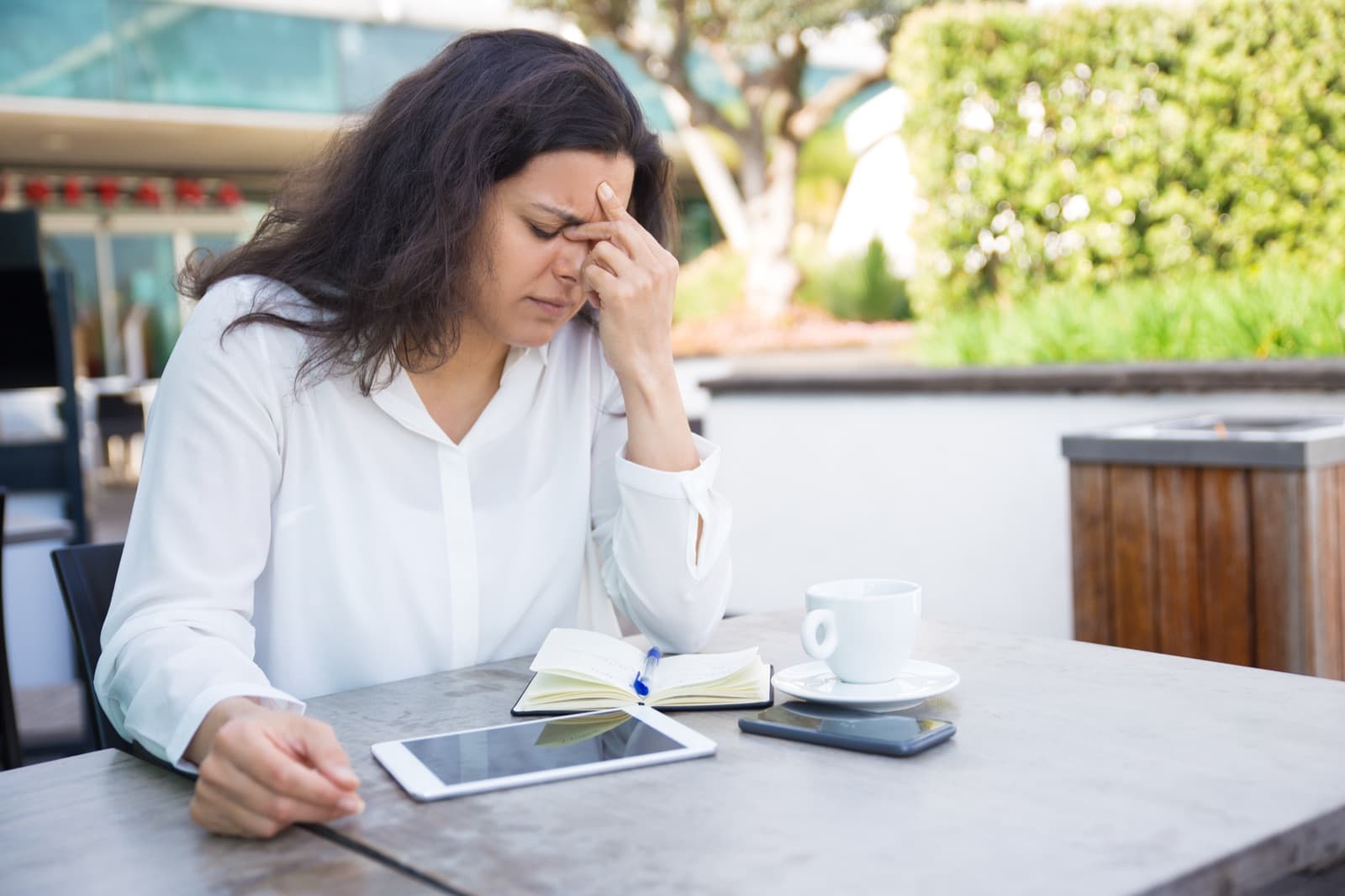
Your period turns up ten days late. Breakouts appear along your jawline. You wake up tired even after eight hours of sleep. It is easy to blame a busy week and carry on with a hot water bag and another cup of chai.
But when these changes keep happening, they may be hormonal imbalance symptoms in females that deserve attention. Hormones are your body’s messengers, linking your brain, ovaries, gut and energy levels. When one falls out of rhythm, your body often gives small signals first.
We at Sia Health want to help you understand them. Below are 7 signs, what may be behind them, and when to speak to a doctor.
7 Hormonal Imbalance Symptoms in Females to Watch For
These female hormonal imbalance symptoms can appear at any age, but some are more common at certain stages. None of them is a definite sign of hormonal imbalance on its own, because each can have other causes too.
- 20s to 30s: period changes, acne and weight gain, often linked to PCOS or PCOD
- 30s to 40s: tiredness, hair fall and thyroid-related changes
- 40s and beyond: sleep and mood changes as perimenopause and menopause begin
1. Are Your Periods Irregular or Missing?
A usual cycle runs 21 to 35 days (NHS). Look out for:
- Cycles shorter than 21 days or longer than 35 days
- No period for 3 months or more
- Very heavy bleeding or cramps that stop you from doing daily tasks
These can be linked to PCOS or PCOD, thyroid problems, stress or perimenopause, so they are worth checking rather than guessing.
2. Why Is Weight Collecting Around Your Belly?
Gaining weight around your tummy without changes to your food or routine can sometimes be linked to hormones like insulin (which manages blood sugar) and cortisol (your stress hormone). Research on cortisol and belly fat is still developing, and weight gain has many causes, such as sleep, stress, food, movement and medicines, so it does not point to a hormonal imbalance on its own (PubMed review; UCLA systematic review). Thyroid problems can also play a part. When these hormones are out of balance, usual diets may feel harder to follow.
3. Jawline Acne, Facial Hair and Hair Fall
Breakouts on your chin and jawline, especially before your period, can be linked to higher levels of male-type hormones that every woman has. The same shift may cause thicker hair on the chin or chest, or thinning at your hair parting. This is common with PCOS or PCOD (NHS), and thyroid problems can also cause hair fall (NHS).
4. Tiredness That Sleep Doesn’t Fix
If you sleep 7 to 8 hours but still wake up exhausted, or hit a wall every afternoon, your thyroid, stress hormones or blood sugar swings may be involved. Low iron can also cause this, so it is worth checking too. Tiredness is very common and has many causes, including poor sleep, stress and other health conditions, so it is not a definite sign of hormonal imbalance (NHS Wales, adapted from NHS). This is not laziness.
5. Strong Sugar and Carb Cravings
Craving sweets, chocolate or salty snacks before your period is a body signal, not a lack of willpower. Changes in estrogen and progesterone may affect serotonin (your feel-good brain chemical), which may be one reason your body asks for quick energy, although the exact cause of premenstrual symptoms is not fully understood. Cravings before a period are common and are not, by themselves, a sign of hormonal imbalance (NHS Wales, adapted from NHS).
6. Mood Swings and Sudden Anxiety
Estrogen interacts with brain chemicals that affect mood. When hormone levels change in the second half of your cycle, you may feel irritable, anxious, tearful or easily overwhelmed. Mood changes before a period are common (PMS) and can also come from stress, poor sleep and other causes, so they are not a definite sign of hormonal imbalance (NHS Wales, adapted from NHS). Night sweats or a racing heart can sometimes be linked to thyroid problems (NHS) or perimenopause, so mention them to your doctor.
7. Bloating and Sluggish Digestion
Estrogen and progesterone may also affect your gut. Higher progesterone can slow digestion in some women, which may cause gas, bloating and constipation, while a drop around the start of your period may be linked to loose stools (BMC Women’s Health study; review on ovarian hormones and the gut). Digestive symptoms are common and have many other causes, such as food, stress and gut conditions like IBS, so they do not on their own mean a hormonal imbalance.
What Causes Hormonal Imbalance?
Hormones can shift for many reasons, and often more than one is involved:
- PCOS or PCOD
- Thyroid conditions
- Ongoing stress and poor sleep
- Perimenopause and menopause
- Crash dieting or sudden weight changes
Only a doctor can tell what is behind your symptoms, usually with a few simple blood tests. Our guide to the hormonal imbalance test for females explains which tests are common.
Not sure if your symptoms point to a hormonal imbalance? Book a free assessment with our experts.
Side Effects of Hormonal Imbalance in Females: How It Affects Daily Life
The side effects of hormonal imbalance in females go beyond the body. They can touch your focus, sleep and confidence.
Brain Fog and Poor Focus
Forgetting small things or struggling to concentrate in meetings can be linked to thyroid changes or shifting estrogen.
Broken Sleep
Waking at 3 AM or finding it hard to fall asleep when you are exhausted can be linked to changes in stress hormones or progesterone.
Confidence and Body Image
Hair on your pillow, painful acne and weight changes can feel deeply frustrating. Your feelings are valid, and looking after them is part of your care.
When Should You See a Doctor?
Don’t wait for things to get severe. Speak to a doctor if you notice these hormonal imbalance symptoms in women:
- No period for 3 months or more
- Periods lasting more than 8 days, or very heavy bleeding
- Fast-growing hair on the face or body, or sudden hair loss
- Sudden, unexplained weight gain or loss
- Tiredness that lasts for weeks
- Difficulty conceiving
Early checks make it easier to find the cause and plan the right support. You can also read about hormonal imbalance treatment options.
Everyday Steps That May Help Support Your Hormones
Daily habits can support hormone health, but they do not replace medical care, especially for PCOS or thyroid conditions. Skip extreme detoxes and crash diets.
Eat Balanced Meals
Pair carbs with protein and healthy fats to keep blood sugar steadier.
- Protein: dal, paneer, eggs, tofu or sprouts
- Healthy fats: a teaspoon of ghee, soaked almonds or walnuts
- Fibre: bhindi, methi and seasonal gourds to support digestion
Move in Ways Your Body Enjoys
- A 30-minute brisk walk in morning light
- 2 to 3 strength sessions a week, using light weights or your body weight
- Gentle yoga or stretching on low-energy days
Intense workouts every day can add to stress if you are already worn out.
Wind Down at Night
Dim the lights and keep screens away for 45 minutes before bed. Regular sleep hours support hormone balance.
Frequently Asked Questions
What are the earliest female hormonal imbalance symptoms?
Early signs can include small changes in cycle length, stronger PMS such as breast tenderness and moodiness, mild afternoon energy crashes, and sudden cravings for sweet or salty food before your period. These can also have other causes, so they are not definite signs of hormonal imbalance.
How do I know if I have a hormonal imbalance?
Look for patterns, not one-off bad days. If several of the signs above keep showing up for 2 to 3 cycles, speak to a doctor. They may suggest blood tests, such as thyroid or hormone tests, to find the cause.
Hormonal imbalance ke lakshan dikhein toh pehla step kya hona chahiye?
Track your symptoms along with your cycle for two months. Note your period dates, flow, energy, skin changes and mood. Share this record with your doctor so they can suggest the right tests. See our guide to the hormonal imbalance test for females.
Can food alone help balance hormones?
Balanced meals, better sleep and stress management may help with mild disruptions. But if your symptoms are linked to PCOS, thyroid disorders or nutrient deficiencies, you will also need medical care and guided testing.
How do I know if my acne is hormonal?
Hormonal acne often appears around the jawline, chin and lower cheeks. It is usually deep, tender and painful, and often gets worse around ovulation or just before your period, rather than looking like small surface whiteheads.
Supporting Your Hormonal Journey
Noticing hormonal imbalance symptoms in females can feel overwhelming, but your body is not working against you. These signs are simply signals that your routine, nutrition or stress levels may need care.
By listening early, eating nourishing foods and getting the right tests, you can support your cycle, mood and energy.
Disclaimer - This information is provided for educational purposes and should not be construed as medical advice. Please consult with your healthcare practitioners before undertaking any changes in your diet or adding supplements.
Sia Health is a digital clinic for women, offering accessible, personalized, and compassionate health-care solutions - https://www.siahealth.in