
The Complete Guide to PCOS and PCOD: Symptoms, Causes, and Treatment
Learn about the symptoms of PCOS in females, what causes them, how PCOS is diagnosed and treated, and when to seek expert help.
By Ayushi Sao (Postgraduate in Nutrition & Dietetics)
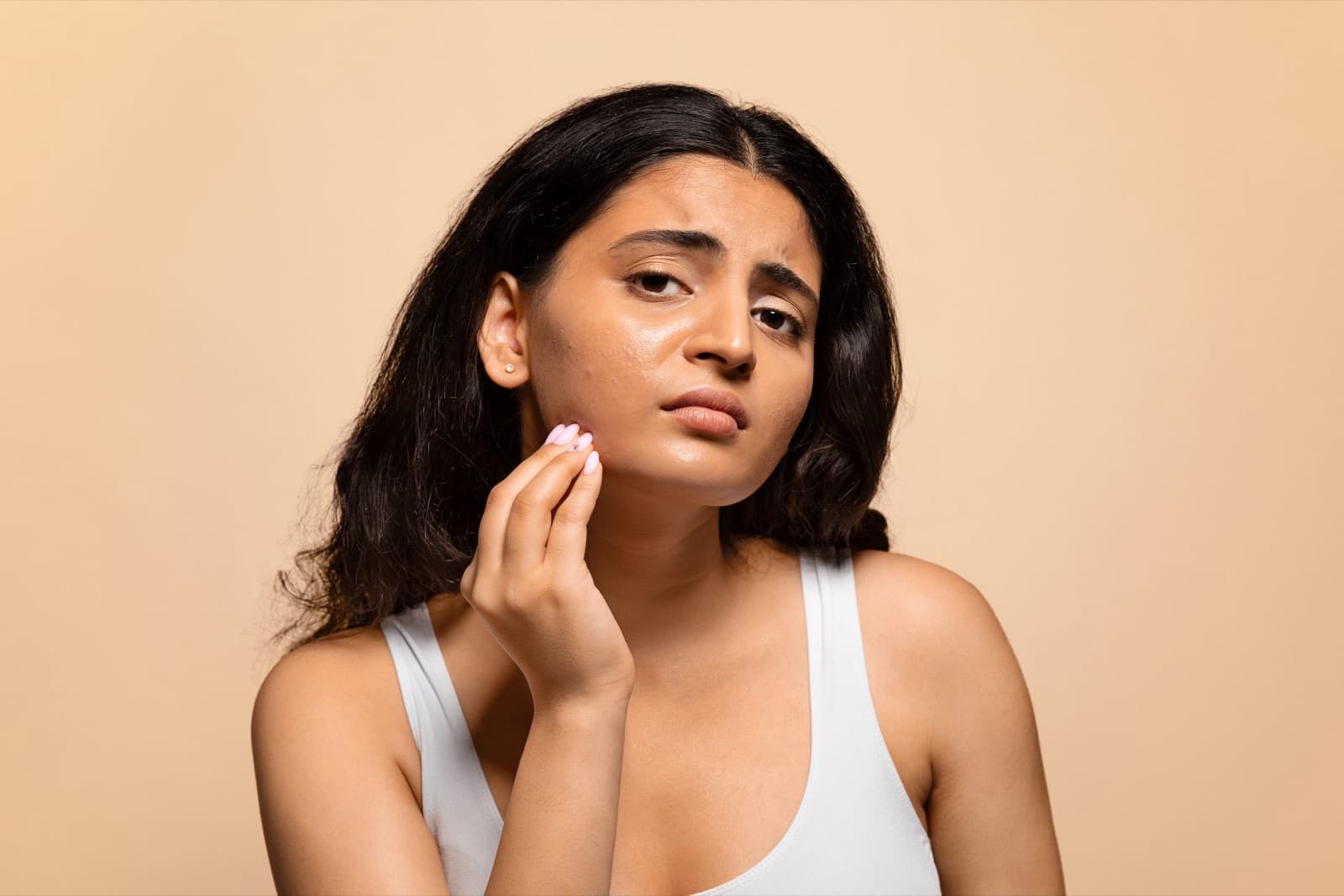
Do you feel like your periods have suddenly become unpredictable? Or have you been noticing more acne, unwanted facial hair, hair fall, unexplained weight changes or difficulty losing weight?
These could be some of the symptoms of pcos problem in females, although they can also have other causes. If you've been experiencing a few of these changes, you may have wondered, “Could this be PCOS?”
With so much advice about PCOS on the internet - from what to eat and avoid to how to “fix” your hormones - it can get confusing to know what's actually right for you.
The symptoms of PCOS in females can look different from one person to another. In this guide, we'll explain the common signs of PCOS, what causes these symptoms, how PCOS is diagnosed, available treatment approaches and when it may be worth speaking with a healthcare professional.
What Is PCOS?
PCOS, or polycystic ovary syndrome, is a hormonal and metabolic condition associated with irregular ovulation, increased androgen activity and metabolic changes such as insulin resistance.
Despite its name, having PCOS does not simply mean having “cysts” on the ovaries. A woman can have PCOS without having polycystic-looking ovaries on an ultrasound.
PCOS can also present differently at different stages of life. Some women first notice symptoms during their teenage years, while others may only seek help when they experience changes in their periods, skin, hair, weight or fertility.
Why Does PCOS Cause Different Symptoms?
PCOS is not the same for every woman. Hormonal changes, genetics, metabolic factors and individual health factors can all influence how the condition presents.
This means two women with PCOS may have completely different symptoms. One may have irregular periods and acne, while another may primarily struggle with hair growth, hair thinning or difficulty conceiving.
Symptoms of PCOS Problem in Females
The symptoms of PCOS problems in females can range from menstrual changes to skin, hair, weight, fertility and metabolic symptoms.
Irregular or Missed Periods
One of the most common signs of PCOS is having irregular periods.
You may notice:
- Periods that come much earlier or later than expected
- Fewer periods in a year
- Skipping periods for several months
- Unpredictable menstrual cycles
Irregular periods can happen when ovulation does not occur regularly.
However, irregular periods do not automatically mean that you have PCOS. Other hormonal and medical conditions can also affect the menstrual cycle.
Difficulty With Ovulation and Fertility
PCOS can affect ovulation, which may make it harder for some women to conceive.
When ovulation happens irregularly, it becomes more difficult to predict the fertile window. This does not mean that pregnancy is impossible. Many women with PCOS are able to conceive with appropriate medical care and support.
For more information, read PCOS and Pregnancy: Chances, Symptoms, and Success Stories.
Excess Facial or Body Hair
Higher levels or activity of androgen hormones can contribute to unwanted hair growth, particularly in areas such as:
- Face
- Chin
- Upper lip
- Chest
- Abdomen
This type of excessive hair growth is known as hirsutism.
If you notice new or increasing facial hair, especially alongside irregular periods or acne, consider discussing it with a healthcare professional.
Acne and Oily Skin
Hormonal changes associated with PCOS can contribute to increased oil production and acne.
Some women may experience:
- Persistent acne
- Adult acne
- Breakouts around the jawline
- Oily skin
- Acne that becomes worse around the menstrual cycle
Acne can have many causes, so recurring or severe acne does not automatically mean that you have PCOS. It may be worth exploring when breakouts occur alongside irregular periods or other PCOS symptoms.
Hair Thinning or Hair Loss
PCOS-related hormonal changes can sometimes contribute to thinning hair, particularly around the scalp.
Some women notice:
- Increased hair fall
- Widening of the hair part
- Thinning around the crown
- Reduced hair density
Hair loss can have many causes, including nutritional deficiencies, thyroid problems, stress and other hormonal conditions. It should therefore be assessed in context.
Weight Gain or Difficulty Losing Weight
Some women with PCOS experience weight gain or find weight management more difficult.
This can be particularly relevant when insulin resistance is present. However, PCOS can occur at any body weight.
Having a healthy body weight does not rule out PCOS, and weight alone cannot be used to diagnose the condition.
Darkened Skin and Other Signs of Insulin Resistance
Insulin resistance can occur in some women with PCOS.
One possible visible sign is darkened, thickened skin, particularly around areas such as the neck, underarms or groin. This is known as acanthosis nigricans.
Other metabolic markers may also be abnormal even when there are no obvious symptoms.
Not sure if your symptoms point to PCOS? Book a free assessment with our experts.
What Causes PCOS Symptoms?
There is no single cause that explains PCOS in every woman. PCOS is thought to involve a combination of genetic, hormonal and metabolic factors.
Hormonal Changes
Women with PCOS may have changes in reproductive hormone patterns, including increased androgen activity.
Androgens are often referred to as “male hormones”, but women naturally produce them too. The issue is when androgen levels or activity become higher than expected.
This can contribute to symptoms such as:
- Excess facial hair
- Acne
- Oily skin
- Scalp hair thinning
- Irregular ovulation
Insulin Resistance and PCOS
Insulin helps the body move glucose from the blood into cells so it can be used for energy.
With insulin resistance, the body's cells respond less effectively to insulin. The body may compensate by producing more insulin.
Insulin resistance can be associated with PCOS and may contribute to hormonal changes in some women.
This is why insulin resistance, PCOD and PCOS are commonly searched together. However, not every woman with PCOS has the same degree of insulin resistance, and PCOS should not be reduced to being only an insulin-related condition.
The Role of Androgens
Higher androgen levels or increased sensitivity to androgens can interfere with normal ovulation and contribute to symptoms involving the skin and hair.
This is one reason why PCOS can affect periods, acne, facial hair and scalp hair at the same time.
PCOD vs PCOS: What Is the Difference?
PCOD and PCOS are terms that are often used interchangeably, especially in India. However, they should not necessarily be presented as two definitively separate medical conditions.
PCOS, or polycystic ovary syndrome, is a recognised hormonal condition with established diagnostic criteria.
PCOD, or polycystic ovarian disease, is a term commonly used in India to describe ovarian hormonal changes and irregular ovulation. It does not have the same universally standardised diagnostic definition as PCOS.
In everyday conversations, people may use PCOD and PCOS to mean the same thing. The important point is that diagnosis should be based on symptoms, medical history, clinical assessment and appropriate investigations rather than terminology alone.
You should also not try to determine whether you have PCOD or PCOS based only on an ultrasound report. Polycystic-looking ovaries can be one feature of PCOS, but they do not by themselves establish the diagnosis.
How Is PCOS Diagnosed?
Having one or two PCOS-like symptoms does not necessarily mean you have PCOS.
A healthcare professional may consider:
- Your menstrual history
- Symptoms such as acne or excess hair growth
- Hormonal blood tests
- Other blood tests when required
- Ultrasound findings
- Other possible causes of your symptoms
In adults, PCOS diagnosis generally involves assessing features such as ovulatory dysfunction, hyperandrogenism and polycystic ovaries or other appropriate markers, depending on the individual. Other possible causes of the symptoms should also be considered and excluded where appropriate.
Diagnosis is therefore based on a combination of clinical findings rather than one single test.
This is important because irregular periods, acne, hair loss and weight changes can have several different causes.
PCOS Symptoms and Treatment
There is no single treatment plan that works for every woman with PCOS. Management depends on the symptoms you experience, your metabolic health, reproductive goals and other individual factors.
Nutrition and Lifestyle Changes
A balanced eating pattern can support overall metabolic health and may be particularly useful when insulin resistance or weight-related concerns are present.
A practical approach can include:
- Adequate protein
- Plenty of vegetables and other fibre-rich foods
- Whole grains and minimally processed carbohydrate sources
- Healthy sources of fat
- Regular meals based on hunger and individual needs
- Limiting excess added sugar and highly processed foods
The goal is not to follow an extremely restrictive “PCOS diet”. A sustainable eating pattern is generally more useful than short-term restriction.
Physical Activity
Regular physical activity can support metabolic health, insulin sensitivity and overall wellbeing.
A combination of activities such as walking, resistance training and other forms of exercise can be included according to your fitness level and medical needs.
You don't necessarily need to start with intense workouts or spend hours at the gym. If you're already feeling tired or overwhelmed, start with manageable changes and build gradually. Consistency matters more than following a routine that is too difficult to maintain.
Managing Insulin Resistance
When insulin resistance is present, improving overall metabolic health becomes an important part of PCOS management.
Nutrition, regular physical activity, sleep and weight management where appropriate can all form part of an individual's plan.
Some women may also require medical treatment depending on their symptoms and metabolic health.
Medical Treatment
Depending on the individual's needs, a doctor may recommend treatment to help manage:
- Menstrual irregularity
- Androgen-related symptoms
- Fertility concerns
- Metabolic issues
Medication should be recommended based on the individual's medical history and treatment goals rather than taken solely because of a PCOS diagnosis.
PCOS and Fertility
For women trying to conceive, the treatment approach may be different from someone who is primarily concerned about irregular periods or acne.
If ovulation is irregular, a gynaecologist or fertility specialist can assess the situation and recommend appropriate treatment.
How to Reverse PCOS: Is It Possible?
“How to reverse PCOS” is a common search, but it is important to understand what the term actually means.
PCOS is generally considered a long-term condition that can be managed rather than something that can be guaranteed to be permanently “cured” through one diet, supplement or home remedy.
However, symptoms and metabolic health can improve with appropriate management.
Depending on the individual, improvements may include:
- More regular menstrual cycles
- Better metabolic health
- Improved insulin sensitivity
- Improvement in acne or unwanted hair growth
- Better weight management
- Improved ovulation
The focus should therefore be on managing PCOS and improving overall health, rather than looking for a quick cure.
There is no single food, supplement or home remedy that can guarantee that PCOS will disappear.
When Should You See a Doctor for PCOS Symptoms?
Consider speaking with a healthcare professional if you experience:
- Very irregular or absent periods
- Persistent acne or unwanted facial hair
- Significant hair thinning
- Difficulty becoming pregnant
- Unexpected changes in weight
- Darkened or thickened skin around the neck or underarms
- Symptoms that are affecting your quality of life
Getting assessed early can help identify the cause of your symptoms and rule out other conditions that may look similar to PCOS.
Frequently Asked Questions About PCOS
What are the most common symptoms of PCOS in females?
Common symptoms can include irregular periods, irregular ovulation, acne, excess facial or body hair, scalp hair thinning and weight or metabolic changes. Not every woman will experience all of these symptoms.
PCOS ke lakshan kya hain?
PCOS ke common lakshanon mein irregular ya missed periods, acne, unwanted facial hair, scalp hair thinning, weight changes aur ovulation ya fertility se judi problems shamil ho sakti hain. Har woman mein symptoms alag ho sakte hain.
What is the difference between PCOD and PCOS?
PCOS refers to polycystic ovary syndrome, a recognised clinical condition. PCOD is a term commonly used in India for ovarian hormonal changes and irregular ovulation. The terms are sometimes used interchangeably, but diagnosis should be based on clinical assessment rather than terminology alone.
Is PCOS caused by insulin resistance?
Insulin resistance can be associated with PCOS and may contribute to hormonal and metabolic changes in some women. However, PCOS is a complex condition and insulin resistance is not the only factor involved.
Can PCOS be reversed naturally?
PCOS should not be approached as a condition that can be guaranteed to disappear through a particular food, supplement or home remedy. However, symptoms and metabolic health can improve with appropriate nutrition, physical activity and medical care.
Can you have PCOS with regular periods?
Yes. Although irregular periods are common in PCOS, some women may have relatively regular cycles. Other clinical features and investigations may be considered when assessing PCOS.
Can PCOS affect fertility?
PCOS can affect ovulation and therefore make conception more difficult for some women. However, having PCOS does not mean that pregnancy is impossible.
Does everyone with PCOS have weight gain?
No. PCOS can occur in women across different body sizes. Weight alone cannot be used to diagnose or rule out PCOS.
So What's Next?
The symptoms of PCOS problem in females can vary widely, from irregular periods and acne to unwanted hair growth, hair thinning, fertility difficulties and metabolic changes. Understanding these symptoms can help you recognise when it may be worth seeking professional assessment.
PCOS is a manageable condition, but there is no one-size-fits-all solution. The right approach depends on your symptoms, metabolic health, reproductive goals and overall health.
If you've been struggling with recurring acne, unexplained hair changes, unpredictable periods or the feeling that your energy and body have changed, you don't have to keep guessing or blame yourself. Understanding what may be happening is a useful first step towards finding the right support.
Medical References
- World Health Organization (WHO): Polycystic Ovary Syndrome (PCOS)
- Monash University: International Evidence-Based Guideline for the Assessment and Management of PCOS
- American Society for Reproductive Medicine (ASRM): Recommendations from the 2023 International Evidence-Based Guideline for the Assessment and Management of PCOS
- Recommendations from the 2023 International Evidence-Based Guideline for the Assessment and Management of PCOS: A Summary. Peer-reviewed publication, available on PubMed Central
Disclaimer - This information is provided for educational purposes and should not be construed as medical advice. Please consult with your healthcare practitioners before undertaking any changes in your diet or adding supplements.
Sia Health is a digital clinic for women, offering accessible, personalized, and compassionate health-care solutions - https://www.siahealth.in