
PCOS and Pregnancy: Chances, Symptoms, and Success Stories
Understand PCOS and pregnancy chances, early symptoms, folic acid and fertility care, and how to prepare for pregnancy.
By Ayushi Sao (Postgraduate in Nutrition & Dietetics)
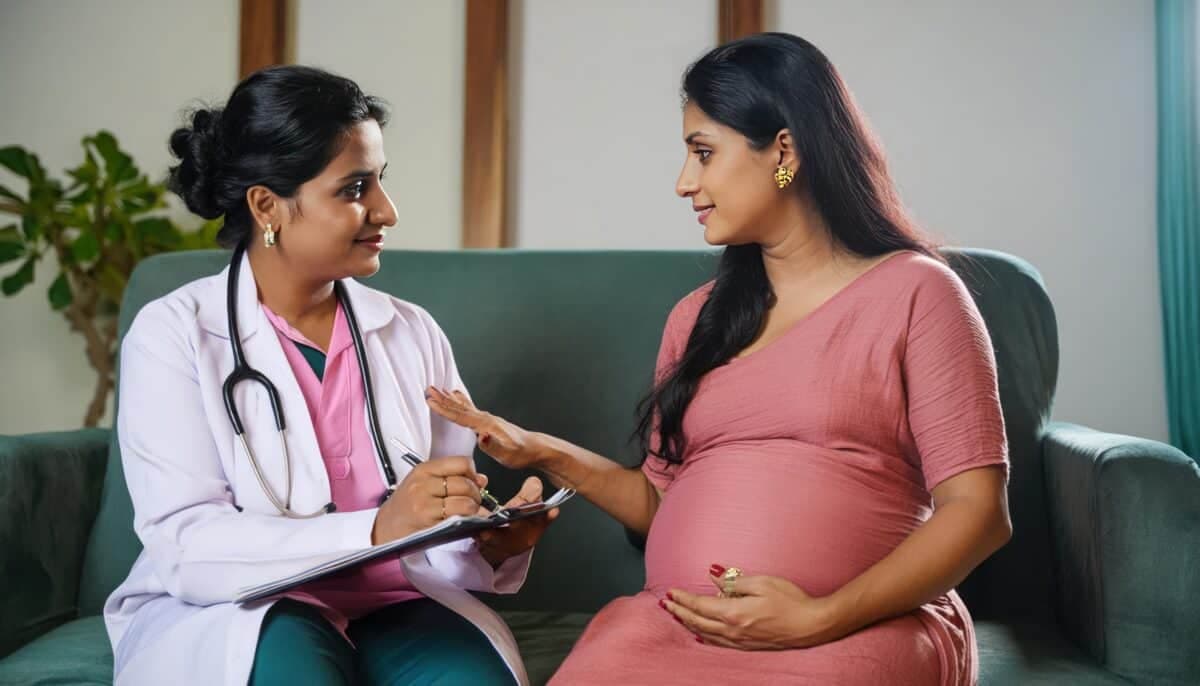
You have PCOS, and now you are thinking about pregnancy. One of the first questions that may come to mind is, "Will I be able to conceive?"
The good news is that PCOS and pregnancy can absolutely go hand in hand. PCOS can sometimes make conception more difficult because ovulation may not happen regularly, but having PCOS does not mean that pregnancy is impossible.
Many women with PCOS conceive naturally, while others may need medical support to help with ovulation or other fertility factors.
If you are planning a pregnancy, understanding how PCOS can affect ovulation, preparing your health before conception and knowing when to seek medical support can make the journey feel much less confusing.
What Does PCOS Mean for Your Pregnancy Chances?
PCOS can affect ovulation, which is one of the main reasons some women with PCOS may take longer to conceive.
When ovulation is irregular or does not happen, there are fewer opportunities for conception. But irregular periods do not automatically mean that you cannot get pregnant.
Your individual PCOS and pregnancy chances depend on several factors, including:
- Whether you are ovulating regularly
- Your age
- Your menstrual cycle pattern
- Blood sugar and metabolic health
- Thyroid health and other medical conditions
- Nutritional status
- Other fertility factors affecting you or your partner
This is why there is no single "pregnancy chance" that applies to every woman with PCOS.
The 2023 International Evidence-based Guideline for the Assessment and Management of Polycystic Ovary Syndrome notes that pregnancy can often be achieved naturally or with fertility assistance when required.
Medical source: 2023 International Evidence-based Guideline for the Assessment and Management of PCOS
Can You Get Pregnant Naturally with PCOS?
Yes.
PCOS does not automatically mean infertility. Some women with PCOS ovulate regularly enough to conceive naturally, while others may need help with ovulation.
If your periods are very irregular or you have been trying to conceive without success, it is worth speaking with a gynaecologist rather than simply waiting and hoping your cycle becomes regular.
What About Lean PCOS and Pregnancy?
Yes, lean PCOS and pregnancy is absolutely possible.
PCOS is not defined by body size. Some women with PCOS have a higher BMI, while others have a BMI within the normal range.
A woman with lean PCOS can still experience irregular ovulation, acne, excess hair growth or other features associated with PCOS.
So if you have lean PCOS, losing weight should not automatically become the focus of your fertility journey.
Instead, your healthcare team may look at your menstrual pattern, ovulation, nutrition, metabolic health, sleep and other factors that may affect fertility.
Planning pregnancy with PCOS? If you are unsure where to start, you can speak with a Sia Health specialist about your health concerns, nutrition and preconception goals with personalised support.
PCOS and Pregnancy Symptoms: What Should You Look For?
Once you become pregnant, early pregnancy symptoms are not necessarily different because you have PCOS.
Common early PCOS and pregnancy symptoms may include:
- A missed period
- Breast tenderness
- Nausea
- Tiredness
- Increased urination
- Changes in appetite
- Mild cramping or bloating
The confusing part is that some of these symptoms can overlap with symptoms you may already experience with PCOS or around your period.
For example, bloating or breast tenderness does not confirm pregnancy.
If your period is delayed, taking a pregnancy test is a much more reliable next step than trying to decode every symptom.
What If Your Periods Are Already Irregular?
This is where pregnancy tracking can become slightly tricky.
If your cycles are irregular because of PCOS, you may not know exactly when you ovulated. Tracking your cycle and discussing ovulation monitoring with your doctor can help you understand your fertile window more accurately.
If you are trying to conceive and your cycles are consistently very irregular, do not feel that you have to wait indefinitely before seeking help.
Does PCOS Make Pregnancy High Risk?
Having PCOS does not mean that you should expect problems during pregnancy.
However, PCOS is associated with a higher risk of certain pregnancy complications, so appropriate antenatal monitoring is important.
Your healthcare provider may pay particular attention to blood pressure, blood glucose and other aspects of your pregnancy health.
The international PCOS guideline also recommends an oral glucose tolerance test when planning pregnancy or seeking fertility treatment, or early in pregnancy if it was not performed before conception.
This is not meant to scare you. It is simply about identifying anything that needs attention early.
Medical source: 2023 International Evidence-based Guideline for the Assessment and Management of PCOS
Folic Acid for PCOS and Pregnancy: When Should You Start?
Folic acid is an important part of preconception and pregnancy care.
Adequate folate supports early fetal development and helps reduce the risk of neural tube defects.
The PCOS guideline recommends considering folate supplementation as part of preconception care. It also notes that a higher dose may be considered for women with a BMI above 30 kg/m², depending on individual circumstances.
WHO recommends 400 micrograms of folic acid daily during pregnancy as part of routine iron and folic acid supplementation.
However, your ideal dose can depend on your medical history and individual risk factors.
If you have PCOS and are planning pregnancy, discuss folic acid with your gynaecologist before conception rather than choosing a high-dose supplement on your own.
Medical sources: 2023 International Evidence-based Guideline for the Assessment and Management of PCOS; WHO: Daily iron and folic acid supplementation during pregnancy
How Can You Prepare for Pregnancy with PCOS?
Preparing for pregnancy is not about finding one magical fertility food or following a strict diet for a few weeks.
It is about getting the basics right.
1. Get a Preconception Health Check
Depending on your history, your doctor may review:
- Menstrual cycles and ovulation
- Blood pressure
- Blood glucose
- Thyroid health
- Current medications
- Nutritional status
- Existing health conditions
This gives you an opportunity to address concerns before pregnancy.
2. Build Balanced Meals
There is no single PCOS food that guarantees pregnancy.
Instead, aim for balanced meals containing protein, fibre-rich carbohydrates, vegetables, fruits and healthy fats.
For example, dal with roti and sabzi, eggs with whole grain toast and vegetables, curd with fruit and nuts, or rice with vegetables and a protein source can all fit into a balanced eating pattern.
You do not need to completely remove rice, fruit or carbohydrates just because you have PCOS.
3. Stay Physically Active
Regular movement is part of healthy preconception care.
This does not mean you need to suddenly start exhausting workouts.
Walking, strength training, yoga or another activity you enjoy and can maintain consistently can all contribute to overall health.
4. Prioritise Sleep
Sleep often gets pushed aside when you are busy with work, family responsibilities or fertility appointments.
But sleep and emotional wellbeing are also part of overall preconception health.
Try to build a consistent sleep routine rather than focusing on perfection.
5. Review Your Medicines with Your Doctor
If you take thyroid medication, metformin, supplements or any other prescription medicine, discuss your pregnancy plans with your doctor.
Do not stop or change medication on your own after getting a positive pregnancy test.
PCOS and Pregnancy Success Stories: What Can You Learn from Them?
Reading PCOS and pregnancy success stories can be encouraging, especially when you have been worried about your own fertility.
But it is important to remember that another woman's story cannot predict your timeline.
One woman may conceive naturally. Another may need medication to support ovulation. Someone else may require additional fertility treatment.
All of these experiences are possible.
Sia Health has shared client experiences related to PCOS and fertility, but individual outcomes and timelines can vary.
The 2023 International Evidence-based Guideline recommends evidence-based fertility treatment when required. For women with PCOS who have anovulatory infertility and no other infertility factors, letrozole is recommended as the first-line pharmacological treatment for ovulation induction.
Medical source: ASRM: Recommendations from the 2023 International Evidence-based Guideline on PCOS
The important takeaway is simple: needing fertility support does not mean that you have failed.
It means you are getting medical help for a specific part of the fertility process.
FAQs About PCOS and Pregnancy
Can I get pregnant naturally with PCOS?
Yes. Many women with PCOS conceive naturally. However, irregular or absent ovulation can make conception more difficult for some women, and fertility treatment may be recommended when appropriate.
Does lean PCOS affect pregnancy chances?
Lean PCOS can still affect ovulation and fertility. Body weight alone does not determine whether a woman with PCOS can conceive.
What are the early PCOS and pregnancy symptoms?
Early pregnancy symptoms can include a missed period, nausea, tiredness, breast tenderness and increased urination. Since these can overlap with PCOS or menstrual symptoms, a pregnancy test is needed to confirm pregnancy.
How much folic acid should I take with PCOS?
Folic acid should be part of preconception care, but the appropriate dose depends on your individual circumstances. WHO recommends 400 micrograms daily during pregnancy as part of routine supplementation. Speak with your doctor about the dose that is appropriate for you.
PCOS hai toh pregnancy possible hai kya?
Haan, PCOS ke saath pregnancy possible hai. Kuch women naturally conceive karti hain, while others may need help with ovulation or fertility treatment. PCOS diagnosis ka matlab infertility nahi hota.
The Bottom Line
Having PCOS does not mean you have to give up on the possibility of pregnancy.
Your PCOS and pregnancy journey may look different from someone else's, particularly if your periods or ovulation are irregular. But with appropriate preconception care, healthy lifestyle habits and medical support when needed, many women with PCOS are able to become pregnant.
You do not have to figure everything out by yourself.
Medical References
- 2023 International Evidence-based Guideline for the Assessment and Management of Polycystic Ovary Syndrome. Monash University / International PCOS Guideline Group. 2023 International PCOS Guideline
- Recommendations from the 2023 International Evidence-based Guideline on PCOS. American Society for Reproductive Medicine. ASRM PCOS Recommendations
- Daily iron and folic acid supplementation during pregnancy. World Health Organization. WHO Folic Acid and Iron Supplementation
Disclaimer - This information is provided for educational purposes and should not be construed as medical advice. Please consult with your healthcare practitioners before undertaking any changes in your diet or adding supplements.
Sia Health is a digital clinic for women, offering accessible, personalized, and compassionate health-care solutions - https://www.siahealth.in