
Signs Your Hormones Are Out of Balance
Feeling slightly off but can't explain why? Learn the common signs of hormone imbalance in women and what your body may be trying to tell you.
By Nutritionist Vanshika Chhajer (MSc Clinical Nutrition)
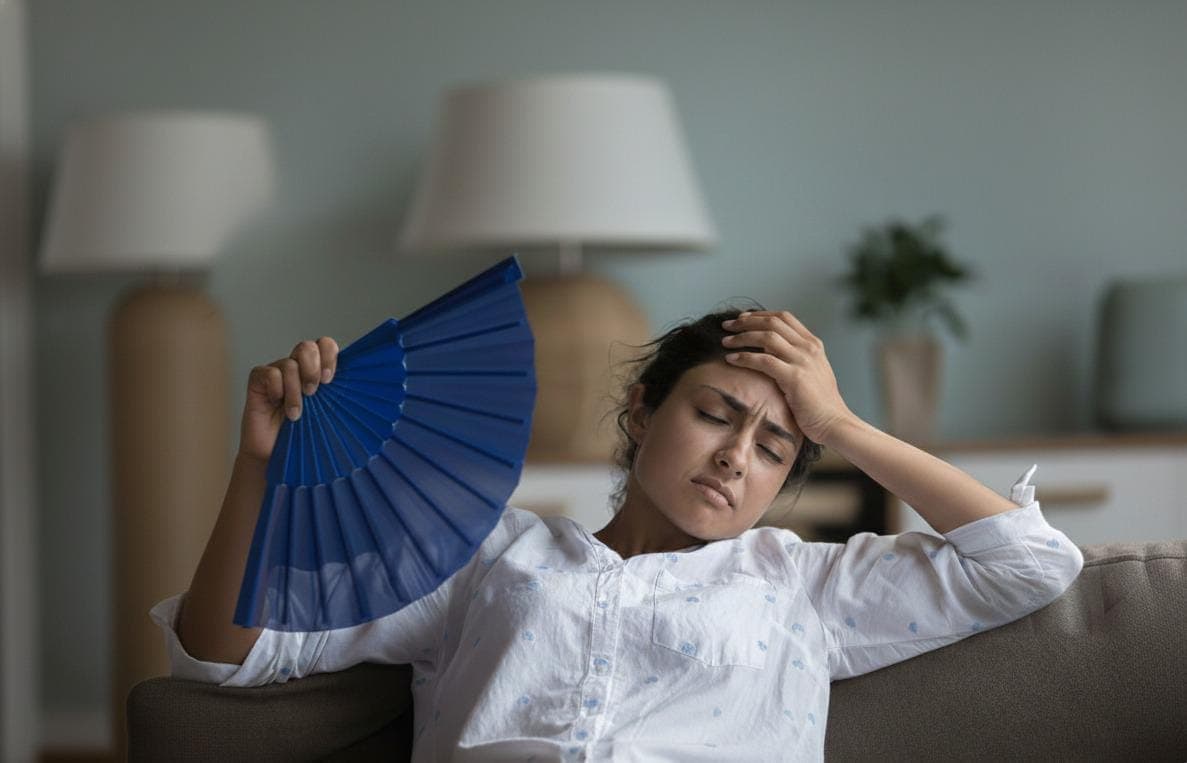
Have you been feeling slightly “off” lately but cannot explain why?
Maybe your periods are irregular. Your energy keeps dipping. Or your weight feels harder to manage than before.
Hormonal imbalance symptoms in females can show up at different stages of life, in your 20s, 30s, 40s and beyond. The challenge is that these changes are often subtle at first, and because they build gradually, they are easy to dismiss as stress or ageing.
Let's look at the common signs of hormone imbalance in women in a way that is clear, practical and reassuring.
What Does Hormonal Imbalance Really Mean?
Hormones act as messengers in your body. They regulate metabolism, periods, mood, digestion, sleep and energy levels.
When these signals fall out of sync, female hormone imbalance can affect multiple systems at once. The signs are not random. They are connected.
Common Hormonal Imbalance Symptoms at a Glance
You may notice:
- Irregular or missed periods
- Constant fatigue or energy crashes
- Unexplained weight gain
- Mood swings or anxiety
- Acne or increased hair fall
- Poor sleep
- Digestive issues or bloating
If several of these symptoms persist together, your body may be asking for support.
Detailed Signs of Hormone Imbalance
1. Periods Not Coming Regularly
If your cycle keeps coming late, early or skipping months, it is one of the most common hormone imbalance signs.
This can happen due to:
- Stress or poor sleep
- Sudden weight changes
- PCOS or thyroid concerns
- Under-eating or over-exercising
Occasional irregular periods can happen. Repeated changes over several months deserve attention.
2. Constant Fatigue or Energy Crashes
Feeling tired even after adequate sleep?
Experiencing mid-day crashes that coffee cannot fix?
These are common symptoms of hormonal issues, often linked to cortisol imbalance, thyroid shifts or unstable blood sugar.
3. Weight Gain or Difficulty Losing Weight
If weight gain feels sudden, or weight loss feels unusually difficult despite balanced eating and movement, hormones may be influencing your metabolism.
Common signs include:
- Weight gain around the abdomen
- Persistent puffiness
- Slower metabolic response
4. Mood Swings, Anxiety or Low Motivation
Hormones directly affect emotional regulation.
Fluctuations in estrogen, progesterone and stress hormones can influence mood, focus and motivation. If irritability, anxiety or low mood feels persistent rather than occasional, it may be worth exploring further.
5. Skin, Hair and Acne Changes
Hormones strongly influence skin and hair health.
Signs of hormone imbalance in women may include:
- Adult acne, especially around the jawline
- Increased hair fall
- Facial hair growth
- Dry or dull skin
6. Poor Sleep or Restless Nights
Difficulty falling asleep or waking frequently during the night can reflect hormonal shifts.
Sleep disturbances are particularly common during high-stress phases and perimenopause.
7. Digestive Issues and Bloating
Your gut and hormones are closely connected.
Ongoing bloating, constipation, acidity or food sensitivities may signal that hormone regulation and digestion are not aligned.
How Symptoms Can Vary by Age
Hormonal imbalance does not look the same at every life stage.
In your 20s to early 30s
Irregular periods, acne, PCOS-related symptoms or gut disturbances are more common.
In your 30s to early 40s
Thyroid changes, fertility concerns and fatigue may become more noticeable.
In your 40s and beyond
Perimenopause can bring sleep disruption, cycle changes, joint discomfort and weight redistribution.
The symptoms may differ, but the underlying hormone communication often overlaps.
When Should You Seek Medical Advice?
Seek evaluation if you notice:
- Three or more missed periods in a row
- Sudden, unexplained weight gain
- Severe or persistent hair loss
- Heavy or prolonged bleeding
- Symptoms that continue for several months
While many hormonal imbalance symptoms are lifestyle-related and manageable, persistent changes should be assessed properly to rule out conditions such as PCOS, thyroid imbalance or other hormonal concerns.
What Can You Do If You Notice These Signs?
If multiple symptoms keep repeating, do not ignore them. At the same time, there is no need to panic.
Helpful first steps include:
- Eating regular, balanced meals
- Avoiding extreme dieting
- Prioritising sleep
- Managing stress intentionally
- Tracking cycles, energy levels and digestion patterns
For many women, consistent lifestyle support significantly improves hormone balance.
If symptoms persist, personalised guidance can help identify the root cause and create a structured plan.
A Gentle Reminder
Your body communicates through patterns.
The side effects of hormonal imbalance in females, including disrupted sleep, unexplained weight gain, low mood, and persistent fatigue, are signals your body is sending, not failures. When you listen early and respond with nourishment, rest and support, balance becomes much easier to restore.
If these signs feel persistent or confusing, seeking guided hormonal evaluation can provide clarity and reassurance.
Frequently Asked Questions
Are hormonal imbalance symptoms common?
Yes. Many women experience temporary symptoms due to stress, travel, diet changes or life transitions.
Can a hormone imbalance correct itself?
Sometimes, especially when lifestyle factors are the main trigger. Persistent or worsening symptoms usually require structured support.
Do I need tests immediately?
Not always. Tracking symptoms and making foundational lifestyle changes often come first. Testing becomes useful if issues continue.
Disclaimer - This information is provided for educational purposes and should not be construed as medical advice. Please consult with your healthcare practitioners before undertaking any changes in your diet or adding supplements.
Sia Health is a digital clinic for women, offering accessible, personalized, and compassionate health-care solutions - https://www.siahealth.in