
Heavy Periods: Causes, Symptoms, and When to Worry
Periods should not feel exhausting or completely out of control every month. Learn what heavy periods mean, common causes, and when it's time to seek support.
By Aayushi Gala, Nutritionist (MSc Sports Nutrition)
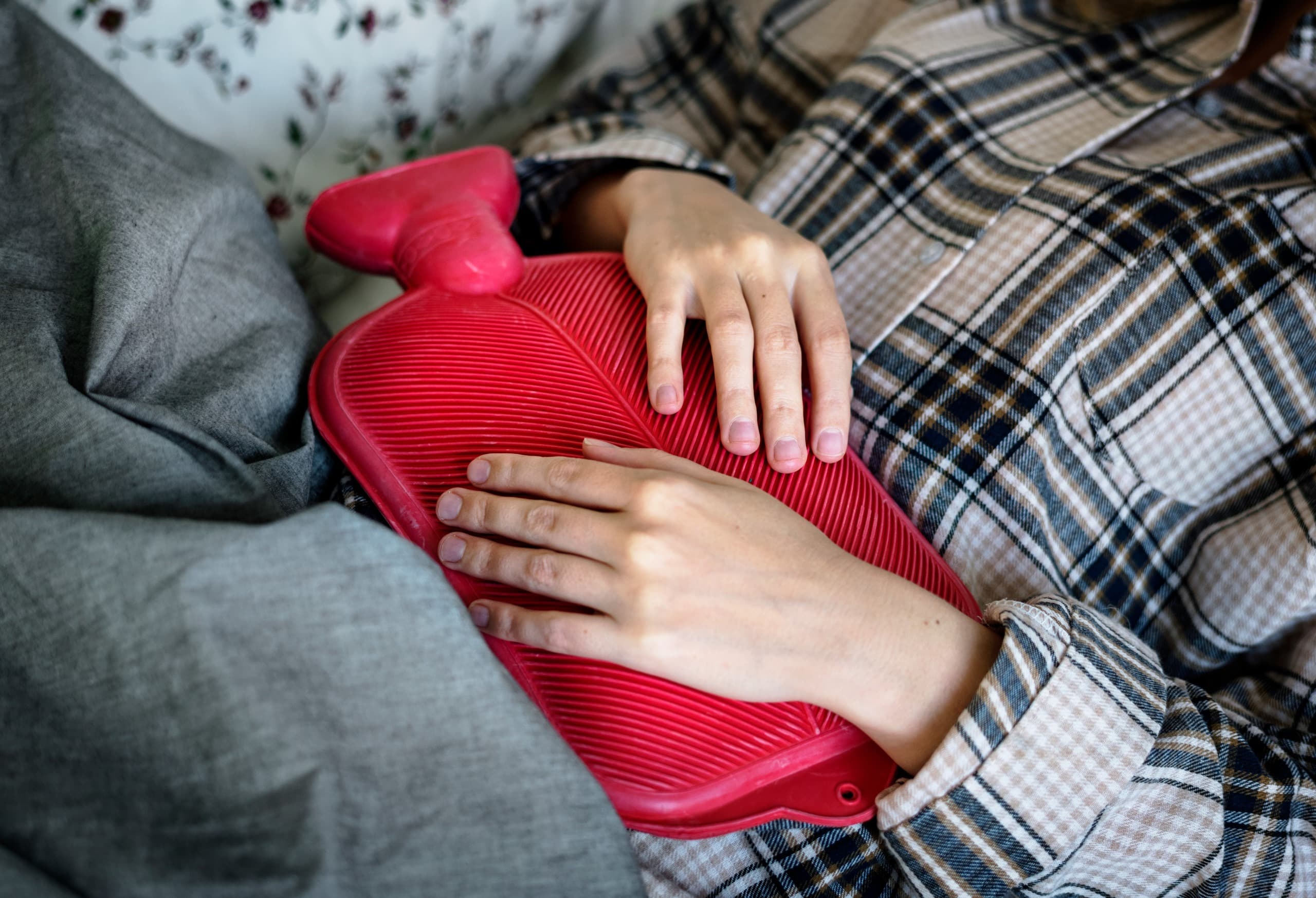
Periods can be uncomfortable. But they should not feel exhausting, overwhelming, or completely out of control every month.
If your flow is very heavy, lasts longer than usual, or comes with frequent clotting during periods, you may start planning your life around it. Many women quietly assume this is just how their body works.
It is not.
Understanding heavy periods causes can help you decide whether what you are experiencing is common, temporary, or something that needs attention.
What Are Heavy Periods, Really?
A period is considered heavy when the bleeding starts affecting your daily life, energy, or confidence.
You may notice:
- Pads or tampons getting soaked within 1 to 2 hours
- Needing to wake up at night to change protection
- Periods lasting more than 7 days
- Passing frequent or large clots
- Feeling unusually tired, weak, or drained
- Avoiding work, travel, or social events due to fear of leakage
This is medically known as heavy menstrual bleeding. Menorrhagia symptoms, soaking through protection quickly, passing large clots, prolonged bleeding, and feeling unusually weak or drained, are more common than many women realise, yet should not be silently tolerated if they disrupt daily life.
Heavy Periods Causes: Why Is This Happening?
Heavy bleeding usually happens when hormones and the uterus are not working in sync. Here are the most common heavy periods causes.
1. Hormonal Imbalance
Your menstrual cycle depends on oestrogen and progesterone rising and falling in the right rhythm. When this rhythm is disrupted, a pattern seen across many hormonal imbalance symptoms in females, the uterine lining can grow thicker than usual, causing heavier bleeding when it finally sheds.
This is common:
- In the late teens and early 20s
- With PCOS
- With thyroid imbalances
- During prolonged stress
- With sudden weight changes
If you already struggle with irregular cycles, acne, hair fall, or fatigue, it may be worth reading more about how hormones affect your cycle.
2. Poor or Irregular Ovulation
When ovulation does not happen regularly, the body may bleed without proper hormonal balance. This can lead to:
- Longer periods
- Heavier flow
- Clotting during periods
- Unpredictable cycles
This is often seen in PCOS and during high-stress phases.
3. Changes Inside the Uterus
Sometimes the structure of the uterus itself contributes to excessive bleeding periods.
This is more common in women in their 30s and 40s and may show up as:
- Heavy flow from the very first day
- Increasingly painful periods
- Bleeding that gradually becomes heavier over months
Conditions like fibroids or adenomyosis can contribute, and they are manageable with the right support.
4. Life Stage Hormonal Shifts
Heavy periods often appear during natural transition phases:
- Early years after menarche
- After pregnancy
- During perimenopause
Hormones fluctuate more during these times, and your cycle may temporarily feel heavier or irregular.
Is Clotting During Periods Normal?
Seeing a few small clots on your heaviest day can be normal.
However, frequent or large clots may mean:
- Blood is pooling in the uterus before flowing out
- The bleeding is heavier than your body can manage smoothly
Clotting during periods often goes hand in hand with heavy menstrual bleeding. If it happens every cycle, it is worth understanding why.
When Should You Worry About Heavy Bleeding?
Heavy bleeding does not always mean something serious. But you should seek guidance if you notice:
- Soaking through protection every 1 to 2 hours
- Feeling dizzy, faint, or extremely weak
- Heavy bleeding every single month
- Periods lasting longer than 7 to 8 days
- Severe fatigue that does not improve
Over time, excessive bleeding periods can reduce iron levels. In India, iron deficiency and anaemia are already common in women, so ignoring heavy flow can affect energy, focus, and hair health.
If you feel constantly drained around your period, your body may be asking for support.
What You Can Do to Support Your Body
You do not need extreme measures. Start with steady, simple steps:
- Eat regular, balanced meals
- Include iron-rich foods during and after periods
- Prioritise sleep
- Reduce long-term stress where possible
- Track your flow and symptoms monthly
If heavy bleeding continues, it helps to understand the root cause rather than only managing the symptom.
You may also want to explore related concerns such as:
- PCOS and irregular ovulation
- Thyroid-related menstrual changes
- Perimenopause shifts
- Iron deficiency and fatigue
Getting clarity often brings relief.
When to Seek Support
If your periods feel unpredictable, emotionally stressful, or physically draining, you do not have to navigate it alone.
Heavy periods are not a personal weakness. They are a signal.
At Sia Health, we support women in understanding what their cycle is communicating and how to gently restore balance. With the right guidance, heavy periods can become more manageable over time.
You deserve periods that feel predictable, comfortable, and supportive of your daily life.
FAQs
Are heavy periods normal?
They are common, especially during hormonal transitions. But if they disrupt your quality of life, they should not be ignored.
Can stress cause heavy periods?
Yes. Long-term stress can disturb hormonal balance and make bleeding heavier or more irregular.
Do heavy periods always mean something serious?
Not always. Many heavy periods are linked to hormonal shifts. However, ongoing heavy menstrual bleeding is worth evaluating so you can prevent long-term fatigue or iron deficiency.
What are menorrhagia symptoms?
Menorrhagia symptoms include soaking through protection quickly, passing large clots, prolonged bleeding, and feeling weak or dizzy during your cycle.
If you are unsure whether your bleeding is normal, speaking with a hormone expert can help you understand what is happening in your body and what to do next.
Disclaimer - This information is provided for educational purposes and should not be construed as medical advice. Please consult with your healthcare practitioners before undertaking any changes in your diet or adding supplements.
Sia Health is a digital clinic for women, offering accessible, personalized, and compassionate health-care solutions - https://www.siahealth.in