
Can Poor Sleep Cause Weight Gain and Irregular Periods?
Discover how sleep affects your hormonal balance and why improving your sleep routine could be the missing piece in managing weight, cycle regularity, and overall wellness.
By Aayushi Gala, Nutritionist (MSc Sports Nutrition)
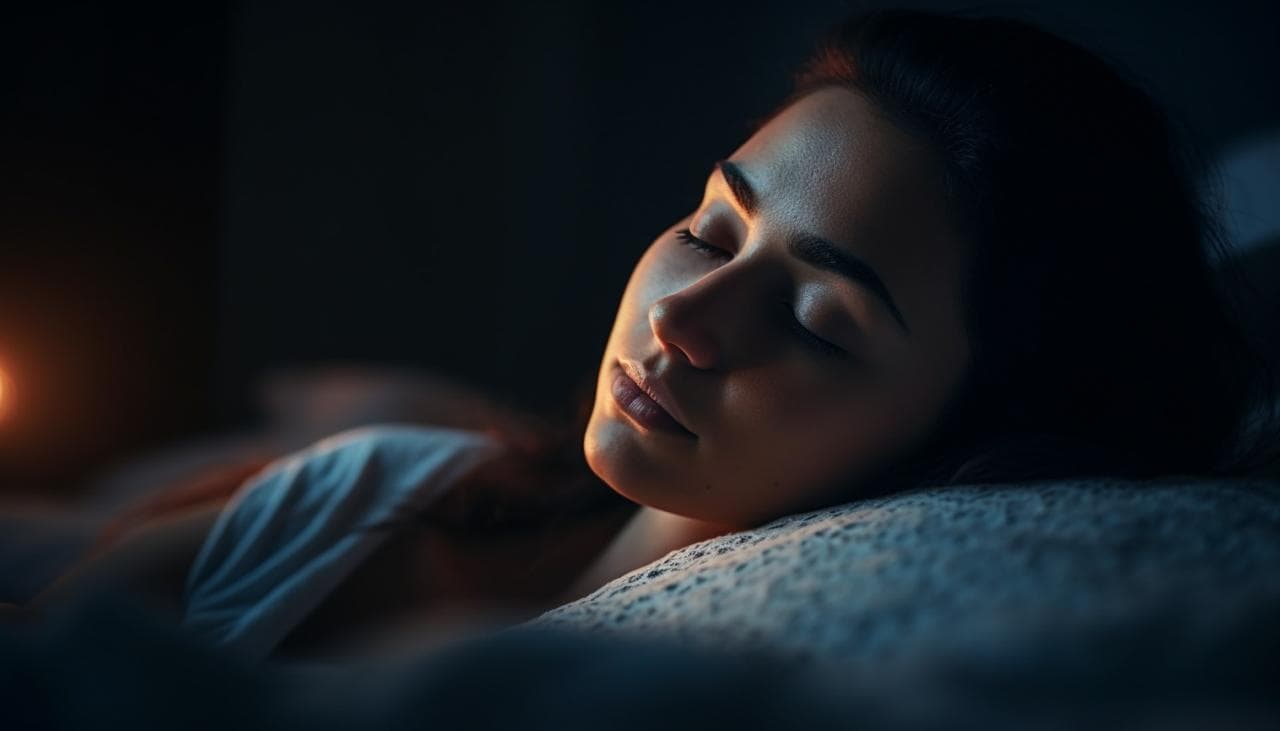
Many women focus on eating well and exercising for hormonal health, but sleep is often the missing piece. The link between sleep and hormonal imbalance is easy to miss, especially because symptoms tend to build slowly, and many recognised hormonal imbalance symptoms in females, such as fatigue, weight gain, and irregular periods, can quietly worsen with disrupted sleep.
If you are gaining weight despite doing everything right, or your periods feel delayed, painful, or unpredictable, your sleep routine may be playing a bigger role than you realise.
This is not limited to women with PCOS. Women in postpartum recovery, perimenopause, or those managing long work hours and daily stress can also experience hormonal disturbances when sleep patterns are disrupted.
When sleep improves, hormone signals often begin to settle more naturally. Understanding the connection between hormonal health and sleep can help you make sense of what your body may be trying to tell you.
How Sleep Affects Your Hormones
Sleep is when your body does some of its most important hormonal work. Strong hormonal health and sleep patterns help the body stay balanced. During restful sleep, your body:
- Repairs hormone signals
- Balances stress hormones
- Regulates hunger and blood sugar
When sleep is poor, irregular, or disturbed, these systems lose their rhythm. Over time, this imbalance can affect metabolism, cycles, and overall well-being.
Poor Sleep and Weight Gain: What's the Connection?
The link between lack of sleep and weight gain is well established.
When you do not get enough sleep, your body shifts into survival mode. The connection between lack of sleep and weight gain is well-established, poor sleep increases hunger signals, reduces fullness cues, and keeps stress hormones elevated, all of which encourage fat storage, particularly around the belly.
This is why lack of sleep and weight gain often go hand in hand, even when your diet has not changed much.
Can Poor Sleep Affect Your Periods?
Yes. Sleep affecting periods is more common than most women think.
Poor sleep can:
- Disrupt the hormones that control ovulation and cycle regularity
- Increase stress hormones that delay or skip periods
- Worsen PMS symptoms like cramps, bloating, mood swings, and cravings
Over time, irregular sleep may show up as delayed, painful, or unpredictable periods.
Sleep, PCOS, and Hormonal Balance
For women with PCOS, the relationship between sleep and PCOS is especially important.
Poor sleep can worsen insulin resistance, increase cravings, and make weight management harder. Improving sleep quality often supports better energy levels, cycle regularity, and symptom control in women with PCOS.
Signs Your Sleep May Be Affecting Hormonal Health
You may want to look closer at your sleep if you notice:
- Weight gain despite normal eating
- Strong sugar or carb cravings
- Constant fatigue, even after rest
- Irregular or painful periods
- Worsening acne or hair fall
These are common signs that sleep and hormonal health may be out of sync.
How Much Sleep Do Hormones Actually Need?
Most adult women need 7 to 9 hours of sleep, ideally at similar times every night.
Late nights, frequent screen use, or constantly changing sleep schedules can confuse hormone signals, even if total sleep hours seem enough. Consistent sleep supports long-term hormonal balance.
What You Can Do to Improve Sleep
You do not need to fix everything at once. Small, steady changes help improve sleep and hormonal balance.
Try:
- Sleeping and waking up at similar times daily
- Avoiding screens at least 30 minutes before bed
- Having dinner 2 to 3 hours before sleep
- Getting morning sunlight to reset your body clock
Consistency matters more than perfection.
When Should You Seek Support?
If sleep issues continue along with:
- Missed periods for over three months
- Ongoing weight gain
- Severe PMS or constant fatigue
It is a good idea to seek professional guidance to understand what your hormones need.
FAQs
Can lack of sleep really cause hormonal imbalance?
Yes. Poor sleep disrupts stress, hunger, and reproductive hormones, which directly affects weight, cycles, and overall hormonal balance.
Does improving sleep help with PCOS symptoms?
Yes. Better sleep supports insulin balance, reduces cravings, improves energy levels, and can help regulate cycles in women with PCOS.
How long does it take to see changes?
Some women notice better energy and fewer cravings within a few weeks. Hormonal balance improves gradually with consistent sleep and lifestyle habits.
Disclaimer - This information is provided for educational purposes and should not be construed as medical advice. Please consult with your healthcare practitioners before undertaking any changes in your diet or adding supplements.
Sia Health is a digital clinic for women, offering accessible, personalized, and compassionate health-care solutions - https://www.siahealth.in